Introduction
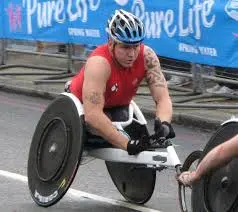
David Weir, a name synonymous with success in para-athletics, has captured hearts and minds with his exceptional talents and achievements in wheelchair racing. As a six-time Paralympic gold medalist and a prominent figure in British sports, Weir’s remarkable career not only highlights the extraordinary capabilities of athletes with disabilities but also serves as an inspiration for many. His story reflects the importance of inclusivity in sports and shines a spotlight on the ongoing efforts to support athletes with disabilities.
A Stellar Career
Born on May 5, 1979, in Walsall, West Midlands, David Weir first made waves in the sporting arena when he began competing in wheelchair racing at the age of 14. After representing Great Britain in various championships, Weir had a breakthrough performance at the 2008 Beijing Paralympics, clinching four gold medals in the T54 classification. His victory in the 800m, 1500m, 5000m, and marathon events solidified his reputation as one of the world’s best wheelchair racers.
Weir’s success did not stop at Beijing. He continued to dominate at the 2012 London Paralympics, adding two more gold medals to his collection, as well as a silver in the marathon event. Over the years, he has broken multiple world records and been a stalwart competitor at the London Marathon, where he won the event six times. His exceptional speed and tactical prowess have earned him the nickname “The Weirwolf” among fans.
Recent Developments
Despite stepping back from competitive racing after the 2017 London Marathon, Weir remains actively involved in promoting para-sports. Recently, he participated in charity events and advocacy campaigns aimed at encouraging participation in athletics among people with disabilities. Notably, Weir has been vocal about the necessity for better funding and support for young para-athletes who aspire to reach elite levels.
Conclusion
David Weir’s impact on the world of para-athletics extends beyond his medal tally. He has become a symbol of resilience and determination, showing that barriers can be broken down through dedication and spirit. Looking ahead, it is anticipated that Weir will continue to influence the sports landscape, advocating for inclusivity and inspiring future generations of athletes with disabilities. His legacy in promoting para-sports will undoubtedly contribute to a more inclusive sporting culture, encouraging individuals from all walks of life to pursue their athletic dreams.
