Introduction
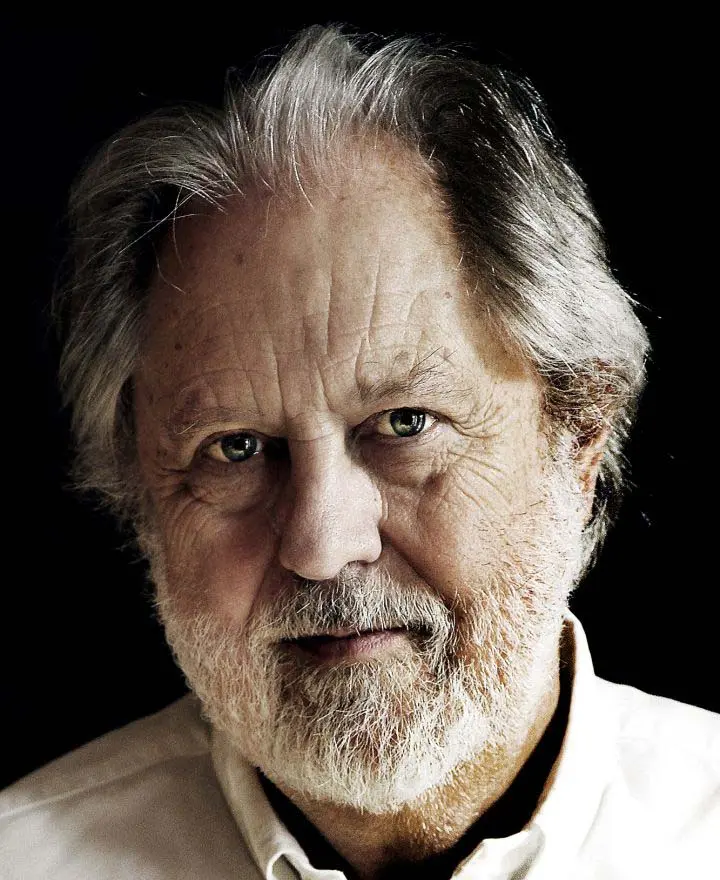
David Puttnam has long been celebrated as one of the most influential figures in the film industry. A British film producer and director, his work spans several decades, significantly affecting the way stories are told in cinema. His films, often characterised by their social and political themes, have not only gained critical acclaim but have also contributed to broader discussions around art’s role in society. As the film industry continues to evolve, understanding Puttnam’s contributions is vital for aspiring filmmakers and enthusiasts alike.
Career Highlights
Puttnam began his career in the 1960s and quickly made his mark with films that stood out for their artistic quality and compelling narratives. He produced classics such as “Midnight Express” (1978), which won two Academy Awards, and “Chariots of Fire” (1981), which received four Oscars including Best Picture. These films not only solidified Puttnam’s reputation but also showcased his commitment to telling powerful stories that resonate with audiences.
In addition to his role as a producer, Puttnam has served as a director and has been actively involved in the British film industry through various initiatives and positions. He served as the Chairman of the UK Film Council from 2000 to 2008, advocating for the future of British cinema. His dedication to nurturing new talent and promoting British stories on the global stage speaks to his vision for the industry.
Impact on Education and Activism
Beyond filmmaking, Puttnam has played an essential role in education, particularly in arts education. He has spoken passionately about the need for creativity in schools and has been involved with several educational institutions, aiming to inspire the next generation of filmmakers. His work has also touched on environmental activism, reflecting his belief in the responsibility of filmmakers to engage with global issues.
Current Endeavours and Future Outlook
In recent years, Puttnam has continued to advocate for the arts and remains involved in film projects, as well as mentorship opportunities for young filmmakers. As the industry faces challenges like digital transformation and shifting audience expectations, his insights remain crucial. He has been vocal about embracing change and innovation while staying true to storytelling’s core values.
Conclusion
David Puttnam’s influence on the film industry cannot be overstated. His work embodies a commitment to storytelling that provokes thought and conversation. As we look towards the future of filmmaking, Puttnam’s legacy serves as a reminder of the importance of creativity, social responsibility, and the power of cinema to effect change. For film students and industry veterans alike, studying the career of Puttnam offers invaluable lessons about passion and perseverance within the arts.
