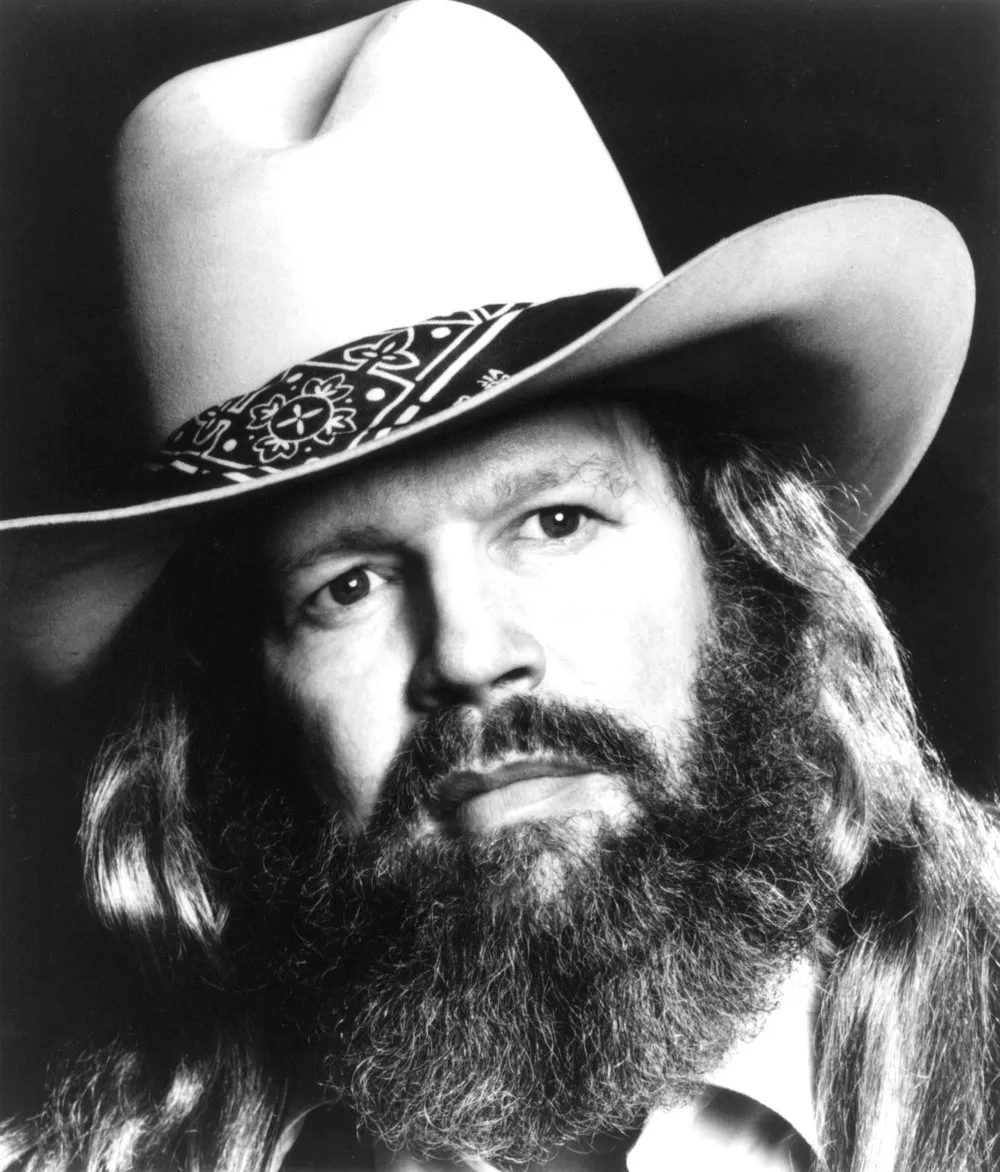
David Allan Coe, a controversial figure in country music known for his raw lyrics and outlaw persona, has passed away at 86. His wife, Kimberly Hastings Coe, confirmed his death. Coe was a pivotal player in the outlaw country movement, which challenged the norms of traditional country music.
That context matters because Coe’s contributions to the genre were not just musical; they were deeply intertwined with his complex personal history. Born on September 6, 1939, in Akron, Ohio, he faced significant challenges early in life. Coe spent four years in reformatories and prisons during his youth—a backdrop that heavily influenced his songwriting.
Coe’s career was marked by several notable achievements and controversies. He recorded iconic songs like “Take This Job and Shove It” and “You Never Even Called Me by My Name,” both of which resonated with audiences for their candid portrayal of life’s struggles. Yet, his legacy is also marred by his two R-rated albums—”Nothing Sacred” and “Underground Album”—which featured lyrics that sparked significant debate over their appropriateness.
His financial troubles added another layer to his story. In 2015, Coe faced legal issues related to tax evasion, owing over one million dollars in back taxes and receiving three years of probation as a result. But these challenges did not deter him from performing; he continued to tour extensively, playing around 100 concerts yearly from 2008 through 2013.
Coe’s collaborations also showcased his versatility as an artist. He worked with various musicians across genres, including members of the heavy metal band Pantera. This blending of styles highlighted his unique position within the music industry—a bridge between outlaw country and other musical realms.
Reactions to his passing have been heartfelt. Kimberly Hastings Coe described him as “one of the best singers, songwriters, and performers of our time [and] never to be forgotten.” Many in the music community echo this sentiment, recognizing both his talent and the controversies that surrounded him.
As fans and fellow musicians reflect on Coe’s impact on country music, they are left to consider what comes next for the genre he helped shape. His story serves as a reminder that music can be both a form of expression and a reflection of one’s life experiences—complex and multifaceted.
