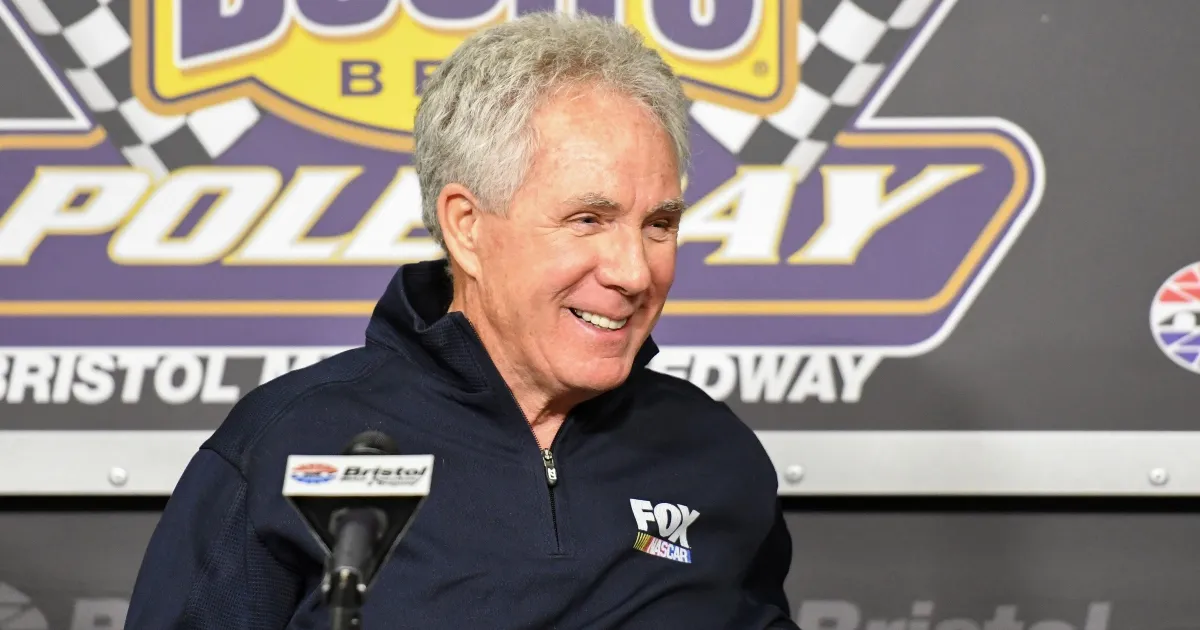
Who is involved
In a remarkable turn of events, Darrell Waltrip, a legendary figure in NASCAR, returned to the broadcasting booth at the Darlington Raceway on March 22, 2026. This unexpected comeback came after his retirement from broadcasting in 2019, marking a significant moment for fans and the sport alike. Known for his iconic catchphrase, “BOOGITY BOOGITY BOOGITY! Let’s go racing, boys!”, Waltrip’s presence reignited excitement among viewers and participants.
Before this development, the NASCAR community had grown accustomed to Waltrip’s absence from the commentary team, which he helped establish as part of the first NASCAR on FOX broadcast in 2001. His departure left a noticeable gap in the sport, as he was not only a three-time Cup Series champion with 84 wins but also a beloved personality who brought enthusiasm and insight to the races. Fans and analysts had speculated about the future of NASCAR commentary without his unique flair.
The decisive moment came when Waltrip announced his return, coinciding with the Darlington race. His re-entry into the booth was met with widespread acclaim, as he delivered his signature opening line, reminding everyone of his enduring legacy in the sport. This moment was not just about nostalgia; it was a clear signal that Waltrip still holds a significant place in the hearts of NASCAR fans.
On the other hand, the race also featured Brad Keselowski, who faced his own challenges. After suffering a skiing accident in December 2025 that resulted in a broken leg, Keselowski underwent surgery to have a titanium rod inserted. Despite these setbacks, he managed to secure a position in the top 20 in every race of 2026 and was ranked 12th in the Cup points standings as of the Darlington race. His resilience and determination to compete amidst adversity highlighted the competitive spirit prevalent in NASCAR.
Waltrip’s return not only affected the broadcasting landscape but also served as a reminder of the physical and mental challenges drivers face. In 1990, Waltrip himself endured a severe injury when he broke his left femur bone in a crash at Daytona. He famously drove one lap in a race after his injury to receive credit for points, showcasing the tenacity that defines NASCAR competitors. This shared history of overcoming injuries between Waltrip and Keselowski adds depth to their narratives within the sport.
Experts in the field have noted that Waltrip’s return could rejuvenate interest in NASCAR, particularly among older fans who remember his contributions to the sport. “DW was an amazing racecar driver. He doesn’t get enough credit, and he was obviously tough,” said Keselowski, reflecting on Waltrip’s impact. Such sentiments underline the importance of veteran voices in a sport that continually evolves.
As the race unfolded, the atmosphere was charged with excitement, and Waltrip’s commentary brought a sense of familiarity and warmth to the event. His ability to connect with both the audience and the drivers is unparalleled, and his return may influence how younger fans perceive the history and culture of NASCAR.
In summary, Darrell Waltrip’s comeback to NASCAR broadcasting at the Darlington Raceway not only marks a significant moment in his career but also serves as a bridge between the past and present of the sport. His presence alongside contemporary drivers like Brad Keselowski highlights the enduring legacy of NASCAR and the challenges its participants face. As fans and analysts alike reflect on this development, it is clear that Waltrip’s impact on the sport will continue to resonate for years to come.
