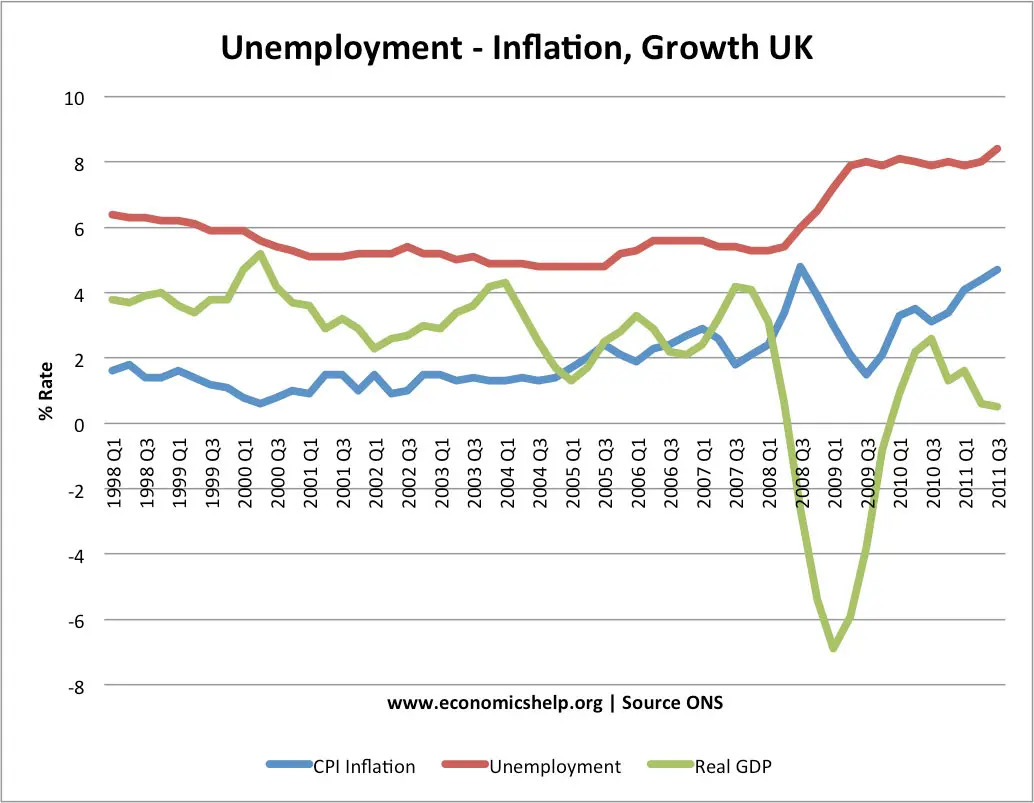
Introduction to the UK Unemployment Rate
The unemployment rate is a critical indicator of a country’s economic health, reflecting the number of people who are actively seeking employment but are unable to find work. In the UK, recent fluctuations in the unemployment rate have garnered significant attention as they can influence economic policies, social welfare programs, and consumer confidence. As of September 2023, the unemployment rate stands at 4.2%, according to the Office for National Statistics (ONS), highlighting the ongoing economic challenges faced by the workforce.
Current Statistics and Trends
The latest data from the ONS indicates that the UK unemployment rate has seen a slight increase from 4.0% earlier in the year. This uptick is attributed to various factors, including economic uncertainties related to inflation and the cost of living crisis. The youth unemployment rate remains concerning, with those aged 16 to 24 experiencing higher rates of joblessness at around 11.5%.
Regions across the UK show diverse trends, where metropolitan areas like London exhibit lower unemployment rates compared to more rural areas, exacerbating the disparity in job availability. The hospitality and retail sectors, which suffered greatly during the COVID-19 pandemic, have been gradually recovering, but hiring challenges persist, particularly in skilled trades and healthcare.
Causes and Contributing Factors
Several factors contribute to the current state of the UK unemployment rate. First, inflation has surged, reaching levels not seen in decades, forcing the Bank of England to increase interest rates in an effort to tame it. This has led to higher borrowing costs for businesses, leading to reduced hiring.
Additionally, the ramifications of Brexit continue to shape the labour market, impacting both the availability of workers and the dynamics of international trade. Many industries are struggling to recruit staff from the European Union, resulting in labour shortages and increased reliance on domestic hires.
Conclusion and Future Outlook
As the UK grapples with these economic challenges, the prospects for the unemployment rate in the coming months remain uncertain. Analysts predict that as inflationary pressures ease, there may be potential for the job market to stabilise. However, the government’s focus on economic recovery and investment in training programmes will be crucial to reducing unemployment rates, particularly amongst the youth.
For readers, understanding the fluctuations in the unemployment rate is vital, as it impacts job security, wages, and the overall economic climate they operate within. Keeping an eye on emerging trends will help individuals and businesses navigate these uncertain times effectively.
