Introduction
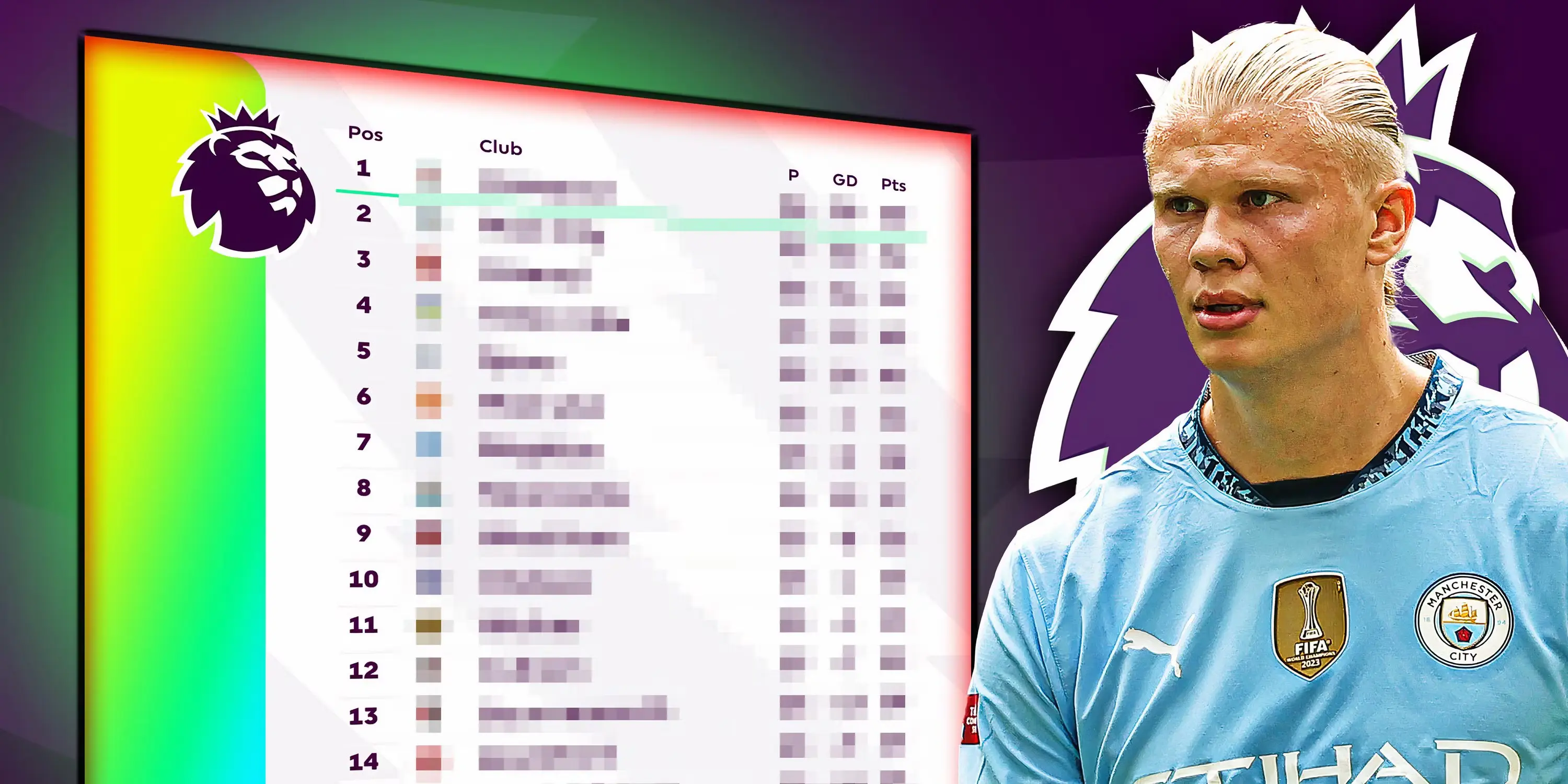
The Premier League, one of the most prestigious football leagues in the world, attracts millions of fans globally. Each season, the competition intensifies among 20 clubs as they vie for the coveted title, European qualification spots, and to avoid relegation. The Premier League table not only provides insights into performance but also shapes fan expectations and club strategies.
Current Standings
As of October 2023, with several matches already played, the Premier League table reflects the fierce competition that dominates the league. Arsenal leads the pack, showcasing impressive form under their manager Mikel Arteta, after a strong transfer window. Following closely behind are Manchester City and Liverpool, both historically dominant clubs, maintaining pressure on the Gunners.
At the bottom of the table, newly promoted teams like Luton Town and Sheffield United are struggling to find their footing, highlighting the challenges that often accompany a step up to the Premier League. These clubs are under immense pressure to secure points to avoid relegation, which can have significant financial implications.
Key Matches and Upcoming Fixtures
Recent key matches include the intense Manchester derby where Manchester United managed a critical win against their rivals, which provided a much-needed boost in their standings. Upcoming fixtures will be crucial as the congested schedule continues over the festive period, with every point vital for clubs aiming for a top-four finish or to stave off relegation.
Conclusion
The Premier League table is a dynamic entity, reflecting not just the statistical standings of teams but also the larger narratives of ambition, struggle, and rivalry that define the season. Clubs have until the January transfer window to make impactful decisions that could alter their fortunes. With the season just heating up, fans and clubs alike are keenly anticipating how the table will evolve in the coming weeks, underscoring the timeless allure of Premier League football.
