Introduction
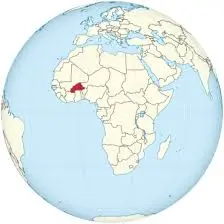
Burkina Faso, a landlocked country in West Africa, has been undergoing significant changes in recent years. With issues ranging from political instability to security challenges due to jihadist violence, the situation in Burkina Faso is critical not just for its citizens but for the entire region. Understanding the current state of affairs in Burkina Faso is essential for those interested in African politics and humanitarian efforts.
Political Landscape
In January 2023, Burkina Faso experienced its second military coup in less than nine months. Captain Ibrahim Traoré took power after ousting Lieutenant Colonel Paul-Henri Sandaogo Damiba, who had previously led a coup in January 2022. This wave of military takeovers has raised concerns about the future of democracy in the nation. The prevailing sentiment among many Burkinabés is frustration with the government’s inability to effectively combat growing jihadist attacks, which have displaced over a million people since 2015.
Security Concerns
The security situation in Burkina Faso has escalated, characterized by violence perpetrated by groups affiliated with al-Qaeda and the Islamic State (ISIS). In 2023, attacks have increased significantly, leading to heightened military responses and igniting social unrest. Civilians, including women and children, have been caught in the crossfire, prompting international organisations such as the United Nations to call for urgent humanitarian assistance.
Humanitarian Crisis
The escalating violence has exacerbated an already critical humanitarian crisis. As of late 2023, more than 4.5 million people require urgent humanitarian aid, with food insecurity affecting nearly 3 million individuals. Displacement camps continue to grow, populated by families fleeing violence, with insufficient access to basic healthcare and education facilities. This dire situation underscores the urgent need for both national and international intervention.
International Response
The international community, including organisations like ECOWAS and the African Union, has been closely monitoring the situation in Burkina Faso. Diplomatic efforts are ongoing to restore constitutional order while addressing the pressing issue of security. Additionally, various NGOs are working to provide humanitarian aid, but access remains a significant challenge due to the ongoing conflict.
Conclusion
Burkina Faso stands at a critical juncture, facing complex challenges that intertwine political, security, and humanitarian crises. As the situation evolves, the implications extend beyond its borders, affecting regional stability in West Africa. The efforts of internal and external stakeholders will be crucial in determining the future direction of Burkina Faso, and continued attention from the global community is essential to foster peace and development in the region.
