Reaction from the field
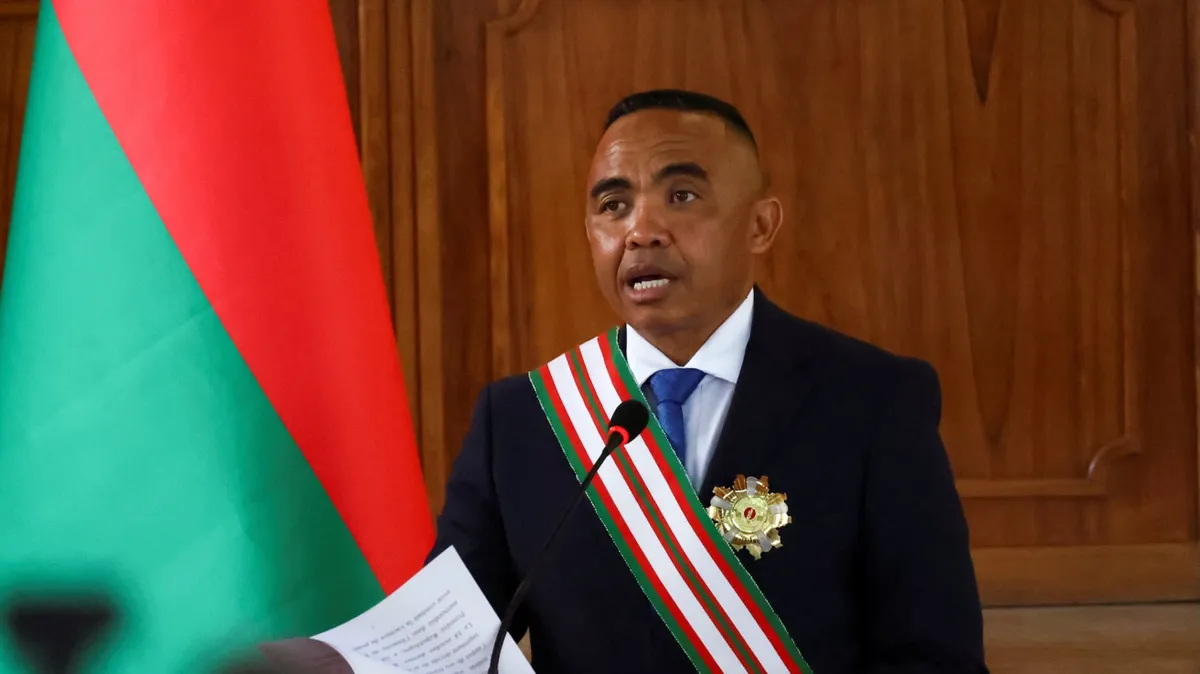
The coup in Madagascar on October 12, 2025, has led to significant political upheaval, with Colonel Michael Randrianirina assuming control of the nation. This transition has raised concerns about the future of democratic governance and the potential for prolonged military rule. The Southern African Development Community (SADC) has opted not to suspend Madagascar, a decision that contrasts sharply with its actions following the 2009 coup, when the country was suspended from the organization.
The events leading to this coup were marked by weeks of demonstrations led by Gen Z protesters demanding better service delivery. These protests highlighted widespread dissatisfaction with the previous government’s performance, ultimately culminating in the High Constitutional Court declaring the presidency vacant. Following this declaration, power was transferred to Randrianirina, who has promised to restore a civilian government within 18 to 24 months.
However, skepticism surrounds Randrianirina’s commitment to this timeline. His military unit, CAPSAT, was also involved in the 2009 coup, raising questions about whether he will adhere to the proposed transition timetable, which includes plans for presidential elections in 2027. Political scientists have described this transfer of power as a “coupvolution,” indicating that it may not represent a straightforward return to democratic governance.
The African Union (AU) has responded to the coup by suspending Madagascar due to the unconstitutional change of government. This suspension reflects the AU’s strict stance against military takeovers, which typically forbids coup leaders from running for office in subsequent elections. The dialogue process aimed at restoring civilian rule is expected to be inclusive, as emphasized by both the SADC and the AU Peace and Security Council.
Despite the promises made by Randrianirina, there are growing concerns among the populace. Reports indicate that some protesters are experiencing “buyer’s remorse” regarding Randrianirina’s unilateral appointments to his government. This dissatisfaction could complicate the transition process, as the military juntas that have seized power in various African nations have often promised a return to elections and civilian rule but failed to meet those deadlines.
As Madagascar navigates this tumultuous period, the SADC faces a unique challenge. By choosing not to suspend the country, the organization has incurred a special responsibility to monitor Randrianirina’s adherence to the agreed roadmap for transition. The situation remains fluid, and details remain unconfirmed regarding the specific actions SADC may take if Randrianirina does not follow through on his commitments.
In summary, the coup in Madagascar has created a complex political landscape where the future of democracy hangs in the balance. The international community will be watching closely to see if Randrianirina can fulfill his promises or if the nation will descend into further instability. As the situation develops, the implications of this coup will likely resonate throughout the region, impacting not only Madagascar but also the broader political dynamics in Southern Africa.
