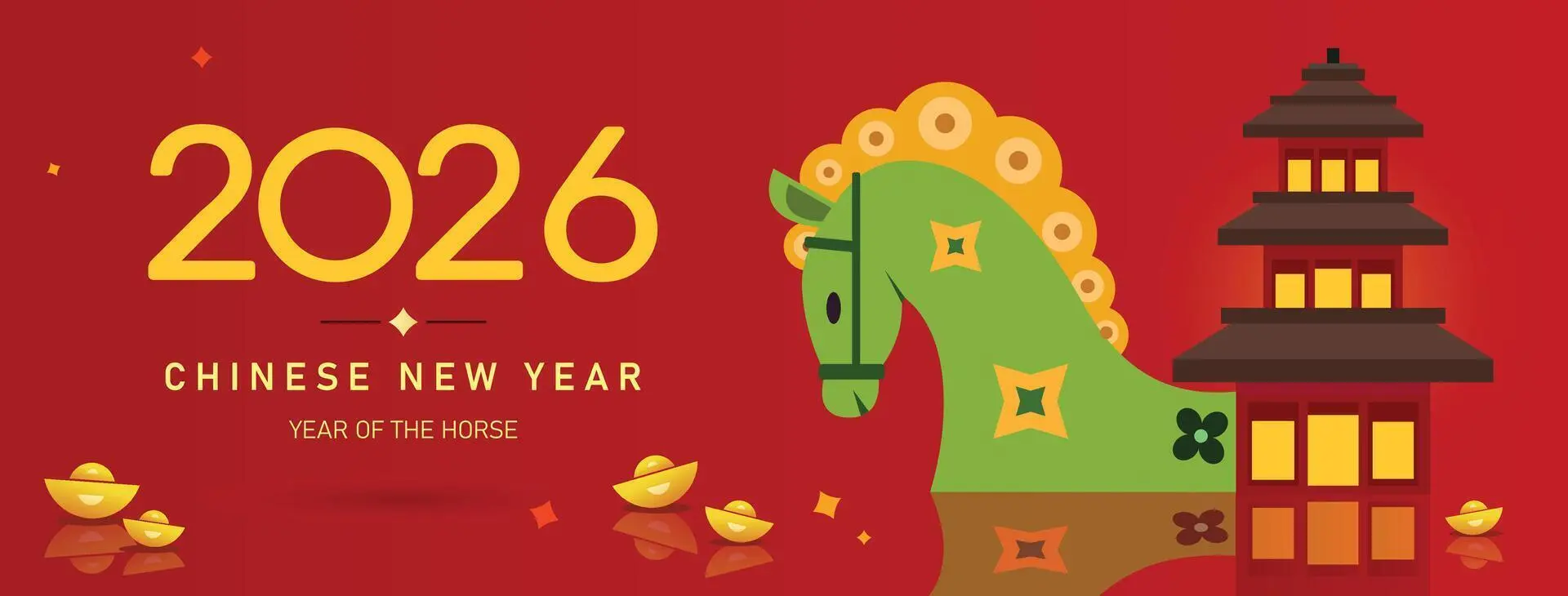
Introduction to Chinese New Year 2026
Chinese New Year, also known as Lunar New Year or Spring Festival, is the most significant celebration in the Chinese calendar. It marks the beginning of the lunar new year, which will fall on February 17 in 2026. Understanding the importance of this festival is paramount, as it encapsulates centuries of cultural practices, traditions, and communal unity among Chinese communities around the world.
Significance of the Year of the Fire Horse
2026 will represent the Year of the Fire Horse, which is associated with strong personality traits such as confidence, energy, and enthusiasm. Each lunar year is linked to one of the twelve animals in the Chinese zodiac and one of the five elements: Wood, Fire, Earth, Metal, and Water. The combination of the Fire element with the Horse signifies passion and spiritedness, expected to bring dynamic changes and opportunities for many.
Common Traditions and Celebrations
The festival is celebrated over 15 days, culminating in the Lantern Festival. Preparations begin long before the holiday, as families clean their homes to sweep away bad luck and prepare for incoming fortune. On the eve of Chinese New Year, families gather for a reunion dinner, which is the most important meal of the year, featuring traditional dishes that symbolize prosperity and happiness.
During the festival, various customs will be observed, including the giving of red envelopes (hongbao) filled with money to children and unmarried adults, as a symbol of good luck and blessings. Fireworks and lion dances are also common to ward off evil spirits, and the sight of colourful decorations in red and gold reflects the vibrant spirit of the occasion.
Community Celebrations and Global Impact
Chinese New Year is not only celebrated within China but has also gained global recognition, with large-scale festivities held in major cities worldwide. In London, for instance, the West End hosts parades featuring dragon dances, live music, and cultural exhibitions that showcase the richness of Chinese heritage. Other cities, like San Francisco, Sydney, and Vancouver, see growing participation from local and international communities, further emphasising the festival’s role in promoting cultural understanding and harmony.
Conclusion and Future Outlook
As we approach Chinese New Year 2026, the anticipation builds across the globe for a time of renewal and celebration. This year will not only allow for traditional observances but also present an opportunity for families and communities to come together, share stories, and foster connections. The influence of this time-honoured festival on our society cannot be overstated — it serves as a reminder of the importance of family bonds, cultural heritage, and the universal quest for prosperity and happiness.
