Introduction
China, officially known as the People’s Republic of China, is rapidly emerging as a dominant force on the global stage. With a population of over 1.4 billion, it stands as the world’s most populous country, and its economy is the second largest, closely following the United States. Understanding China is vital for grasping the dynamics of international relations, trade, and economic policies in the current global landscape.
Economic Growth and Influence
In recent decades, China has transitioned from a centrally planned economy to one that embraces elements of capitalism, leading to unprecedented economic growth. According to the International Monetary Fund (IMF), China’s GDP is projected to exceed $17 trillion by the end of 2023. This growth has allowed China to assert its influence in various sectors, including technology, manufacturing, and infrastructure.
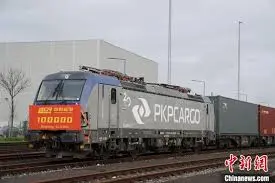
China’s Belt and Road Initiative (BRI), launched in 2013, aims to connect Asia with Africa and Europe through trade routes reminiscent of the ancient Silk Road. This initiative has led to significant investments in infrastructure projects across numerous countries, thereby enhancing China’s soft power and economic foothold around the globe.
Tensions and Challenges
However, China’s rise is not without challenges and tensions. The South China Sea dispute remains a focal point of conflict with its neighbours, with overlapping territorial claims raising concerns about regional stability. Additionally, China’s approaches to human rights, notably in Xinjiang and Hong Kong, have sparked criticism from Western nations and organisations, leading to sanctions and diplomatic strains.
International Relations and Future Prospects
The geopolitical landscape is shifting as China expands its role. Relationships with traditional global powers have been complicated by trade wars, technological rivalries, and concerns over cybersecurity. Observers suggest that the coming years will be critical in determining whether China can maintain its growth trajectory while mitigating domestic and international pressures.
Conclusion
For readers, understanding China is crucial for navigating the complexities of the modern world. As the nation continues to assert itself as a global power, it will reshape our economic, political, and cultural landscapes. The future of international relations will largely depend on how China manages its expansion and confronts its challenges. Observing China’s policies and their implications will remain vital for anyone eager to grasp the future dynamics of global affairs.
