Introduction
Noel Coward, one of the most prominent figures in English theatre, was a playwright, composer, and actor whose work continues to influence contemporary arts. His sharp wit, innovative plays, and memorable songs have endeared him to audiences for generations. Coward’s contributions to theatre during the early 20th century and his trials through both world wars provide a complex yet fascinating tapestry of creativity that is highly relevant in today’s art world. The renewed interest in his works, especially in the realm of modern theatre productions, showcases his lasting impact on culture and the performing arts.
Life and Career
Noel Coward was born on December 16, 1899, in Teddington, London. By the age of 20, he had already begun his ascent as a celebrated playwright with works such as ‘The Vortex’ (1924), which explored themes of promiscuity and addiction. Coward’s talent was not limited to writing; he was also a gifted actor and composer, known for songs such as ‘Mad Dogs and Englishmen’ and ‘I’ll See You Again.’
Throughout his prolific career, Coward produced numerous works, including ‘Blithe Spirit’ (1941), a comedic play that remains popular in theatres today, and ‘Brief Encounter’ (1936), which was adapted into a beloved film. His ability to blend humour with poignant social commentary has marked his works as timeless classics.
During the Second World War, Coward served in the British intelligence and continued to create impactful art, responding to the world’s turmoil with resilience and humour. His plays often reflected the struggles and aspirations of the wartime society while retaining an allure that captivated audiences.
Cultural Impact and Legacy
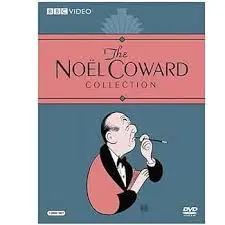
The posthumous recognition of Coward’s talent has led to various renditions of his work. In 2023, BBC celebrated Coward’s centenary with a series of programmes devoted to his life and influence on modern theatre. Many of his plays have been re-staged and adapted globally, further indicating his relevance in contemporary culture.
Coward’s impact extends beyond the stage; his distinct style has influenced various musicians and playwrights throughout the ages. Icons such as Stephen Sondheim and Tom Stoppard have credited Coward as an inspiration for their lyrical work and storytelling techniques. In film, adaptations of his work continue to attract new audiences, ensuring that his musical and theatrical mysteries retain a vibrant existence.
Conclusion
Noel Coward’s legacy is one of brilliance, innovation, and timeless relevance. The continuing revival of his works in theatres around the world serves as a testament to his genius and ability to reflect complex human emotions through comedy and wit. As we engage with his art, we not only celebrate the past but also witness the enduring power of storytelling in shaping our cultural present and future.
