Introduction
Chinese New Year, also known as Lunar New Year, is the most important traditional festival in China and celebrated by millions worldwide. The festival marks the onset of spring and begins on the first day of the lunar calendar, typically falling between January 21 and February 20. In 2026, Chinese New Year will be celebrated on February 17, ushering in the Year of the Fire Horse. Understanding the customs and significance of this festival is essential, as it holds rich cultural heritage and plays a vital role in the lives of Asian communities globally.
Overview of the Year of the Fire Horse
The fire element brings specific traits to the horse sign, known for its energetic, intelligent, and spirited nature. Those born under this sign are believed to be enthusiastic, out-going, and adventurous. 2026 marks a very powerful cycle as it brings confidence and excitement in various life aspects, including business and relationships. In preparation for this year, many are looking to align their aspirations and resolutions with the positive attributes of the Fire Horse.
Traditional Celebrations
Chinese New Year is celebrated with various traditions that span many days, filled with activities to honour deities and ancestors. Major events include:
- Family Reunions: It is a time for family gatherings where members come together to celebrate, share meals, and exchange well wishes.
- Reunion Dinner: The Eve of the New Year holds a special significance where families enjoy a lavish dinner, often featuring dishes like fish (for prosperity) and dumplings (for wealth).
- Red Envelopes: Children and unmarried individuals receive red envelopes (hongbao) filled with money to represent good luck and fortune.
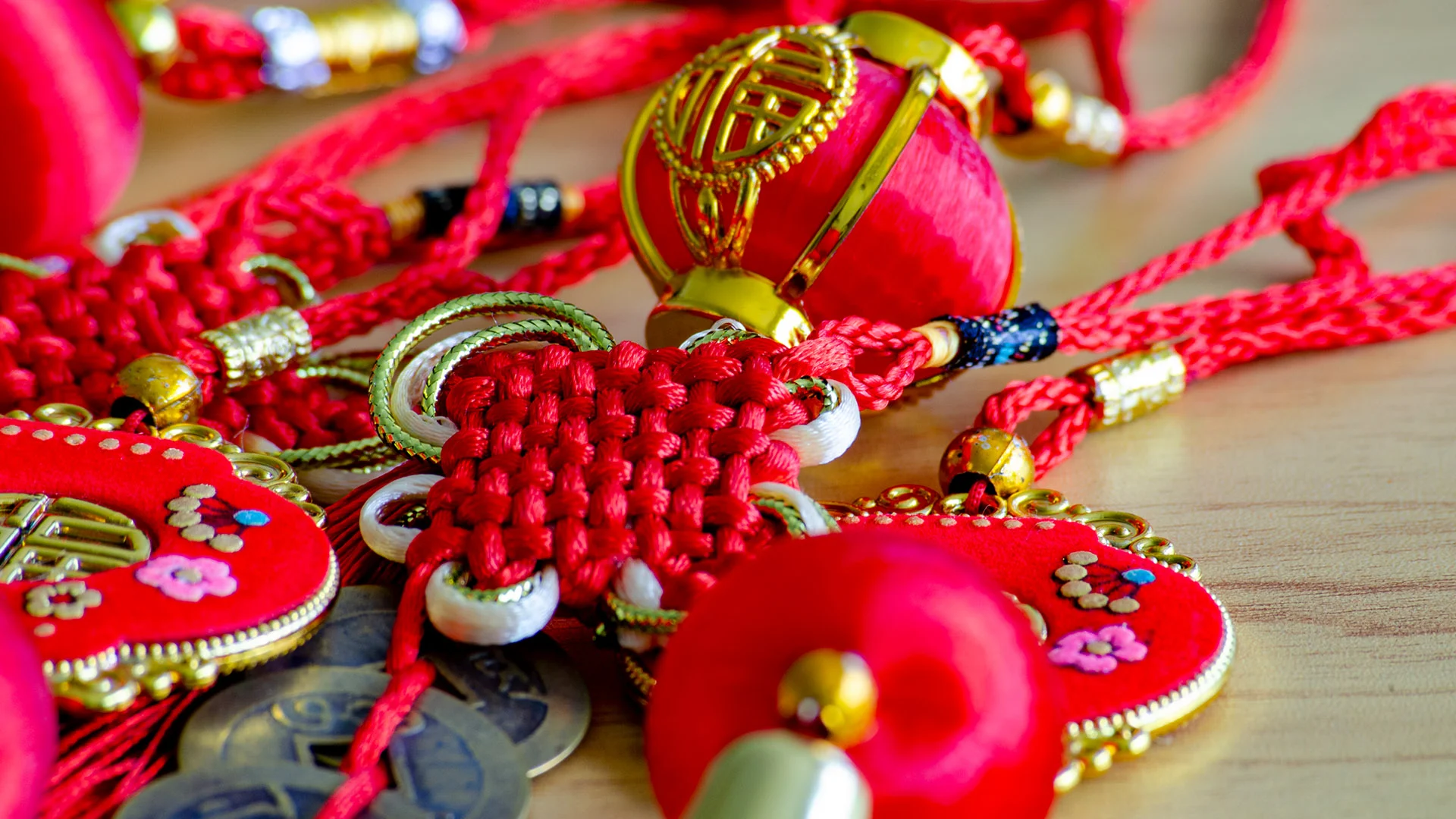
- Festive Decorations: Homes are adorned with red decorations, symbolising good luck and happiness. Lantern festivals and dragon dances are also common.
- Fireworks: Fireworks are displayed to ward off evil spirits and bring about a fresh start.
Global Celebrations
Chinese New Year is not confined to China; it is celebrated in various countries such as Singapore, Malaysia, Indonesia, and in communities around the world. Major cities like London, New York, and San Francisco host parades and festivals that attract thousands, showcasing vibrant cultural performances and delicious traditional food.
Conclusion
The significance of Chinese New Year extends beyond festivities, as it embodies hope, renewal, and chance for reflection. The Year of the Fire Horse in 2026 promises to be an exhilarating year filled with opportunities and growth. Embracing this cultural phenomenon provides a chance for people globally to connect, celebrate, and participate in a rich tapestry of traditions. Whether through family reunions or community celebrations, the spirit of Chinese New Year will surely resonate across the globe, promoting unity and belonging.
