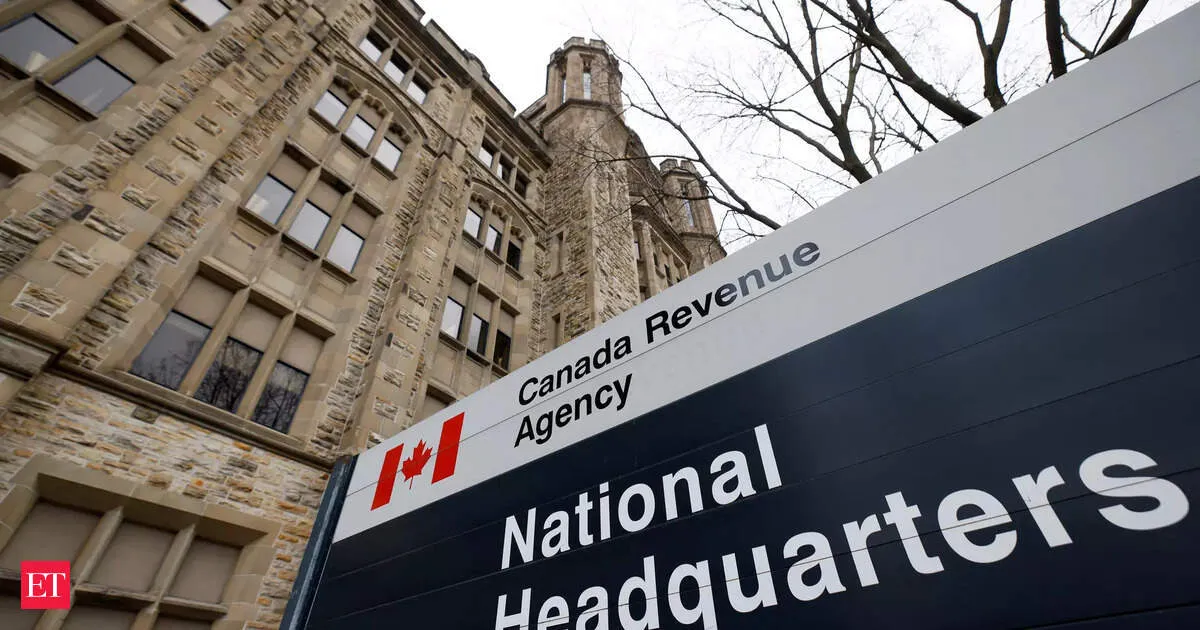
Before this troubling incident, the Canada Revenue Agency (CRA) was considered a robust tax authority, trusted to manage refunds efficiently. However, expectations have now been shattered.
Teresa Wallace, a resident of British Columbia, recently received an astonishing tax refund of $4,958,716.63—an amount that starkly contrasts with her annual income of only $54,000. How could this happen? The answer lies in her claim of nearly $10 million in foreign income.
This error was flagged for manual review but somehow slipped through the cracks. Two months after issuing the refund, the CRA identified the mistake. They discovered that one of Wallace’s forms was invalid. The CRA stated clearly: “Upon review by the senior program officer at (refund examination headquarters,) it was determined…the resulting $4.9-million refund from the erroneously allowed slip was unwarranted.” This revelation is alarming.
The immediate fallout is significant. Wallace now owes a staggering total of $7.9 million, which includes interest and penalties. Authorities are tracking assets linked to this payout as they move into legal and recovery proceedings.
This incident highlights a breakdown in oversight—especially since the refund had reportedly been flagged for manual review before approval. It raises an essential question: How can such a significant error occur in an advanced tax system?
Experts are now scrutinizing the CRA’s internal processes. This case has become a key example of how even established systems can face unexpected failures. The CRA has acknowledged its shortcomings and is reviewing its procedures following this incident.
That context matters because it shows that while self-assessment systems can expedite refunds, they also create vulnerabilities ripe for exploitation.
Moving forward, the CRA must strengthen review processes for large refunds and introduce stricter validation checks to prevent similar occurrences. Monitoring similar cases more closely will be crucial in restoring public trust.
Details remain unconfirmed regarding whether any disciplinary actions will be taken against those involved in processing this erroneous refund.
