What observers say
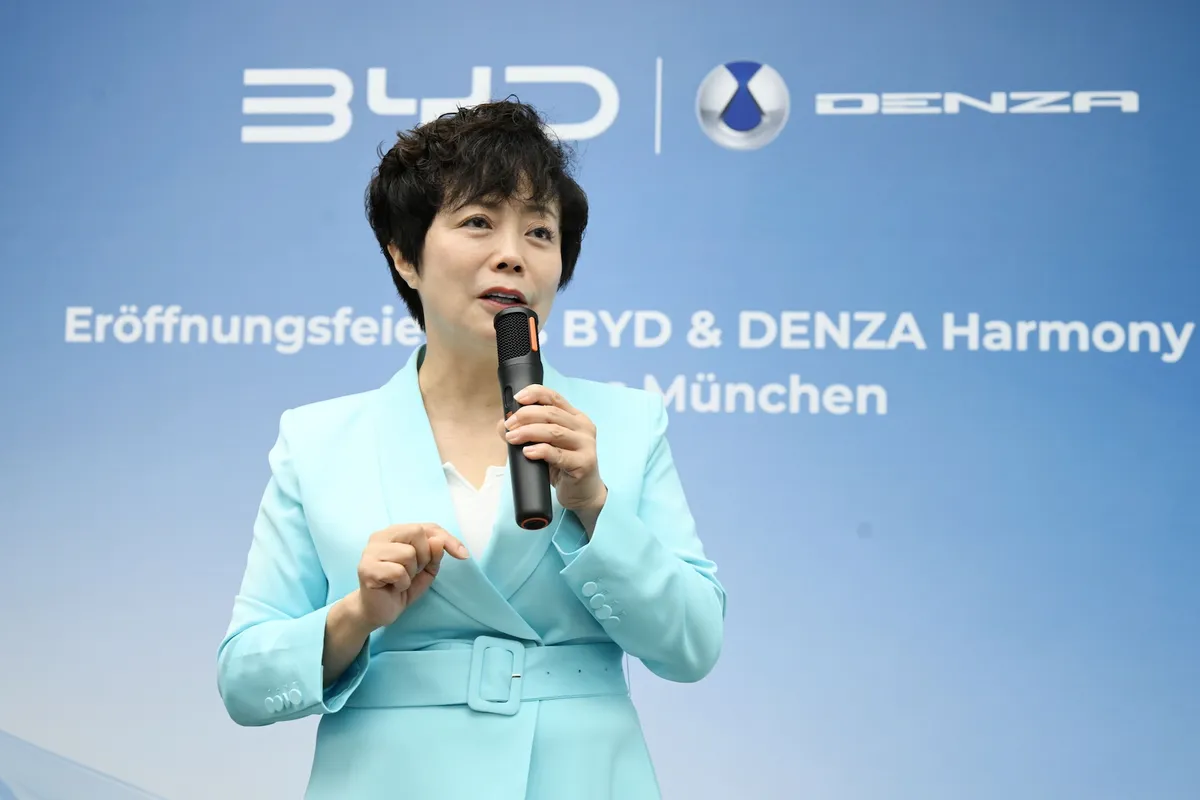
Stella Li, Vice President of BYD, stated, “I don’t think a JV will work,” highlighting the company’s shift in strategy regarding its entry into the Canadian market. This statement comes in the wake of significant changes in trade agreements and tariffs that have impacted BYD’s plans for exporting electric vehicles from China to Canada.
In 2024, BYD paused its plans to export electric vehicles to Canada due to a staggering 100% import tariff on Chinese EVs. However, recent negotiations between Canada and China have allowed for a more favorable arrangement, enabling up to 49,000 Chinese electric vehicles to enter Canada annually at a reduced tariff rate of 6.1%. This development has prompted BYD to reconsider its approach.
Currently, BYD is contemplating the establishment of its own production facility in Canada, rather than pursuing a joint venture with local companies. The company has an existing electric bus assembly plant in Newmarket, Ontario, which has been operational since 2019. This facility has laid the groundwork for BYD’s potential expansion into the passenger vehicle market.
As part of its ambitious plans, BYD aims to sell over 1.3 million vehicles overseas in 2026. The company is also exploring partnerships with Canadian suppliers to support local production efforts. This strategy aligns with BYD’s goal of enhancing its manufacturing capabilities while navigating the complexities of international trade.
In addition to its production ambitions, BYD is interested in acquiring a legacy automaker to bolster its presence in the North American market. However, as of now, no deal is currently in progress. The company is also experiencing significant growth, with overseas sales increasing by 41.4% to 100,151 vehicles in February 2026.
BYD’s Denza Z9 electric vehicle, which boasts an impressive range of 1,068 km (663 miles) on a single charge, exemplifies the quality and reliability that the company aims to offer to Canadian consumers. Observers are left wondering, “Will Canadian consumers embrace these high-quality, reliable BYD vehicles the same way they embraced Japanese and Korean brands?”
As BYD navigates its entry into the Canadian market, uncertainties remain. Details remain unconfirmed regarding whether BYD will secure a factory in Canada, given the joint venture requirement, and the timeline for its market entry is still unclear. Nevertheless, BYD is signaling a willingness to do something that competitors like Tesla have not: work with organized labor, which could further enhance its appeal in the Canadian automotive landscape.
