How it unfolded
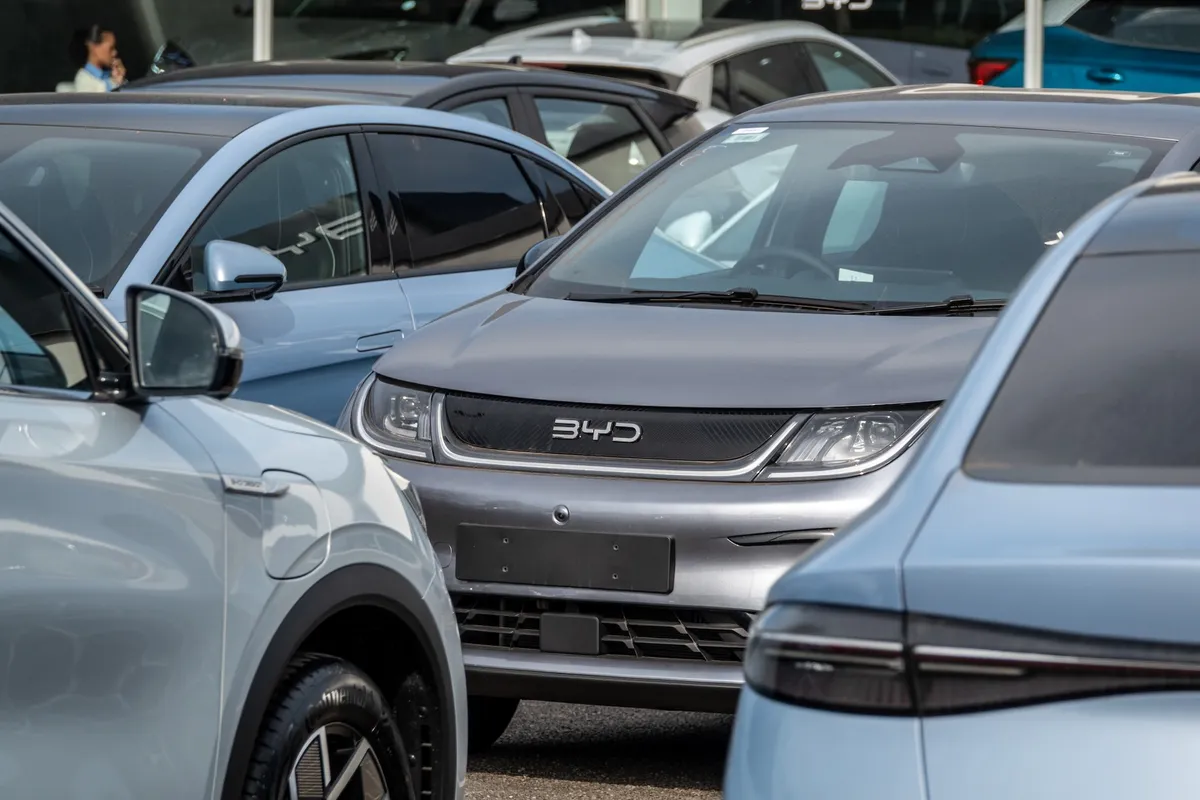
As the electric vehicle (EV) market continues to evolve, BYD, the world’s largest EV manufacturer, is poised to make a significant entry into Canada. Having surpassed Tesla in 2022, BYD’s expansion into the Canadian market is anticipated to bring a new wave of affordable electric vehicles to consumers. Canadians are about to see mass-market Chinese electric vehicles on the roads for the first time, marking a pivotal moment in the automotive landscape.
In recent months, BYD has announced plans to open 20 dealerships across Canada by 2026. This ambitious strategy aims to establish a strong foothold in the Canadian market, allowing consumers easier access to a range of electric vehicles. The move comes as part of a broader trend where Chinese brands are increasingly entering international markets, with many offering competitive pricing and high specifications.
Canada’s trade agreement with China plays a crucial role in facilitating this expansion. The agreement allows for the import of 49,000 Chinese EVs annually, subject to a 6.1% tariff. This framework not only supports BYD’s entry but also sets the stage for other Chinese manufacturers to follow suit. The competitive landscape is expected to intensify, particularly as Canadian consumers become more familiar with these brands.
BYD’s pricing strategy in Canada is also noteworthy. The company’s smallest EV could be priced around $25,000, making it an attractive option for budget-conscious consumers. The BYD Dolphin is expected to be priced close to $31,000, while the Atto 3 is projected to be around $42,000. For those seeking a more premium offering, the Seal could start near $49,000. These price points are competitive compared to other EVs in the market, positioning BYD as a formidable player.
In comparison, the BYD Dolphin Surf, which costs 63,800 Chinese yuan (approximately $12,870) in China, is priced at £18,675 (around $34,500) in the U.K. This pricing strategy indicates BYD’s intent to maintain affordability while ensuring quality, which could resonate well with Canadian consumers.
However, details remain unconfirmed regarding the exact pricing and formal on-sale dates for these vehicles in Canada. Additionally, the impact of federal incentives on BYD’s pricing strategy is still unclear. As the Canadian government continues to promote electric vehicle adoption, these incentives could play a significant role in shaping consumer decisions.
Industry experts have noted the rapid success of Chinese EVs in markets like the U.K., where brands have entered with cheaper cars and attractive financing options. Pat Hoy remarked on the competitive edge these brands have gained, suggesting that similar strategies could be employed in Canada. BYD isn’t waiting for permission to enter the U.S. market; it’s preparing for it, indicating a broader strategy that could influence its operations in Canada.
As BYD prepares to launch its vehicles in Canada, the automotive landscape is on the brink of transformation. The introduction of affordable and high-quality electric vehicles from Chinese manufacturers could significantly alter consumer choices and drive the adoption of EVs across the country. The next few years will be critical for BYD as it navigates this new market and establishes its presence among Canadian consumers.
