Introduction
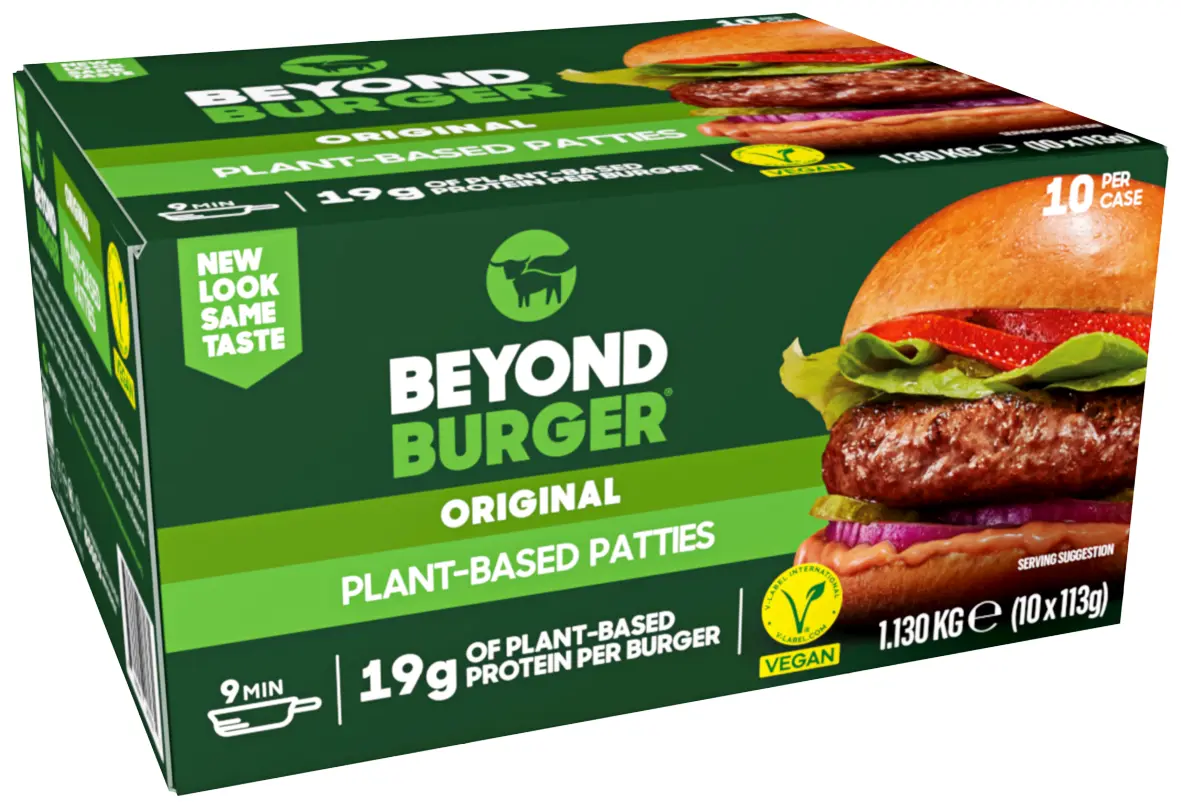
Plant-based diets have been gaining traction in recent years due to increasing health awareness and environmental concerns. Beyond Meat, a leader in the plant-based protein industry, has not only catered to vegans and vegetarians but has also garnered a significant following among meat-eaters. This shift towards plant-based proteins is critical in combating climate change, reducing animal suffering, and promoting health. As more consumers look to alternative proteins, Beyond Meat stands at the forefront of this change.
The Rise of Beyond Meat
Founded in 2009, Beyond Meat debuted its first products in 2013 with a mission to offer delicious and satisfying alternatives to animal meat. The company gained significant attention following its 2019 IPO, which marked one of the most successful in the food industry. Currently, Beyond Meat offers a variety of products including burgers, sausages, and ground meat, all designed to mimic the taste and texture of animal-based products. In 2023, Beyond Meat reported expanded partnerships with major fast-food chains and grocery retailers, further entrenching its presence in the market.
Market Trends and Consumer Behaviour
The consumption of plant-based proteins has soared, with a recent report indicating that the global plant-based market is expected to reach over £140 billion by 2029. As sustainability grows in importance for shoppers, Beyond Meat’s products present a compelling alternative. Consumers increasingly favour brands that prioritise ethical production and environmental responsibility. In studies, 75% of consumers indicated a willingness to try plant-based options, suggesting that Beyond Meat is positioned well for growth.
Challenges and Criticisms
Despite its successes, Beyond Meat faces challenges in a competitive landscape that includes other key players like Impossible Foods and established meat processors now entering the plant-based space. Critics have also raised issues relating to the nutritional content, manufacturing processes, and price of Beyond Meat products compared to traditional meat. Furthermore, the fluctuation of ingredient prices and potential backlash against processed foods may pose risks to the brand’s growth.
Conclusion
The trajectory of Beyond Meat indicates a significant shift in consumer preferences towards plant-based eating. As the world grapples with the realities of climate change, the growth of sustainable food alternatives can play an invaluable role. Beyond Meat continues to innovate and adapt in this dynamic market, suggesting a promising future for both the brand itself and the broader plant-based movement. For consumers, this evolution not only offers healthier choices but also contributes to global efforts in fostering a more sustainable food system.
