Introduction
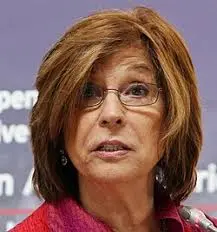
The role of Baroness D’Souza in the UK’s political arena is increasingly significant as the nation navigates complex issues such as Brexit, climate change, and social justice. As a notable crossbench peer, her commitment to public service and advocacy for various social causes has made her a respected figure in Parliament and beyond.
A Brief Background
Baroness D’Souza, born in 1951, has had a diverse career spanning academia and public service. She served as the Lord Speaker of the House of Lords from 2011 to 2016, the first woman to occupy this position. During her tenure, she was instrumental in enhancing the visibility of the House of Lords and advocating for reforms aimed at improving the efficiency and transparency of the upper chamber.
Current Involvements
In recent months, Baroness D’Souza has actively engaged in public discourse surrounding pressing societal issues, including the rights of refugees and racial equality. She has been a vocal advocate for the UK government to re-evaluate its stance on asylum policies amidst rising global displacement due to conflict and climate change. Her participation in various forums highlights her dedication to humanitarian causes and her role as an influential voice in British society.
Recent Events
At a recent parliamentary debate on climate change, Baroness D’Souza raised concerns about the lack of urgent action from the government. She called for a comprehensive approach to environmental policies that not only addresses immediate concerns but also takes into account social justice. Her commitment to intersectionality in advocacy continues to resonate with peers and the public alike.
Conclusion
Baroness D’Souza’s contributions to UK politics are invaluable as the nation confronts a multitude of challenges. Her unique perspective and steadfast commitment to social justice make her a pivotal figure as the UK moves forward in uncertain times. As debates on human rights, environmental issues, and governance continue, Baroness D’Souza’s role will likely expand, further cementing her legacy in British public life. Observers speculate that her influence will encourage a new generation of leaders to advocate for change, fostering a more inclusive and equitable society.
