Introduction
The 2023 general elections in Bangladesh, held on January 7, have significant implications for the country’s political stability and governance. As one of the largest democracies in South Asia, the outcomes of these elections are crucial for the future direction of Bangladesh, impacting not only its domestic policies but also its international relations.
Main Body
This year’s elections saw a voter turnout estimated at around 70%, with the ruling Awami League party, led by Sheikh Hasina, contesting against an alliance of opposition parties including the Bangladesh Nationalist Party (BNP). Initial results indicated that the Awami League secured a majority, winning approximately 170 out of 300 parliamentary seats.
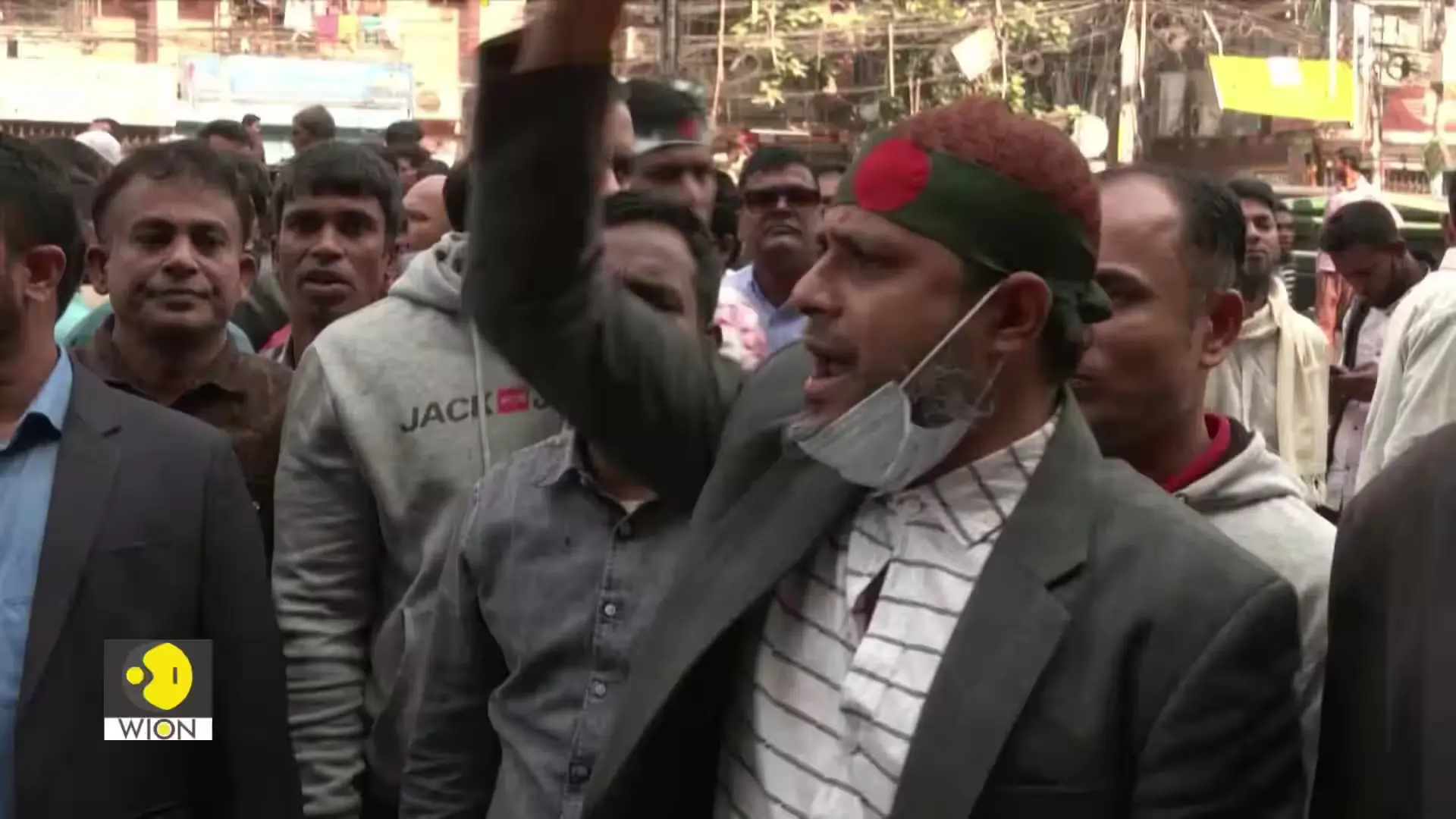
However, reports of voter intimidation and clashes in several districts marred the electoral process, raising concerns about the fairness and transparency of the elections. The opposition parties have denounced the results as fraudulent, calling for nationwide protests and demanding a re-election under a neutral caretaker government.
Furthermore, international observers from organisations such as the Commonwealth and the European Union raised issues about the conduct of the elections, notably highlighting violence and obstruction of opposition rallies leading up to the vote. These irregularities have sparked discussions on the potential need for electoral reforms in Bangladesh.
Conclusion
The results of the 2023 elections in Bangladesh are likely to lead to prolonged political tension, given the accusations of electoral malpractice from opposition parties. Global observers and local analysts suggest that the forthcoming months will be critical as the Awami League navigates through both domestic dissatisfaction and international scrutiny over its governance practices. The situation calls for careful monitoring, as the stability of Bangladesh and its democratic processes hangs in the balance. Continued civic engagement and international pressure may influence the government to address concerns raised by opposition factions, potentially paving the way for future electoral integrity and reform.
