Introduction
The COVID-19 pandemic has reshaped public health and vaccine development across the globe. As the world progressively returns to normalcy, discussions surrounding the future of COVID vaccines in 2025 are gaining traction. Understanding the potential innovations and implications becomes crucial for governments, healthcare systems, and the public alike as they navigate a post-pandemic world.
Advancements in Vaccine Technology
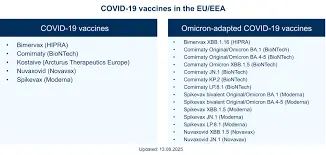
Experts predict that by 2025, vaccine technology will have considerably advanced. The success of mRNA vaccines, as seen with Pfizer-BioNTech and Moderna, has showcased an efficient platform for rapid vaccine development. Future vaccines may integrate enhanced mRNA technology to produce broader immunity and tackle variants more effectively.
Moreover, ongoing research into oral vaccines and combination vaccines that safeguard against COVID-19 and other diseases could become a reality, further simplifying vaccination programmes and increasing public uptake.
Global Vaccination Strategies
By 2025, it is anticipated that international vaccination strategies will have evolved significantly. Governments are expected to collaborate more closely to ensure equitable access to vaccines. The World Health Organization (WHO) is advocating for a global vaccine distribution framework to prevent hoarding by wealthier nations. As part of this initiative, countries may contribute to a global fund to sponsor vaccine production and distribution for low-income nations.
Additionally, booster shot policies may become standard practice, particularly for vulnerable populations, leading to a phased vaccination approach that accounts for emerging variants of the virus.
Challenges and Opportunities
Despite these optimistic projections, challenges remain. Vaccine hesitancy, spurred by misinformation and conflicting narratives, poses a significant barrier to achieving herd immunity. Governments and health organisations will need to enhance their communication strategies to build public trust and encourage vaccine participation.
Furthermore, the emergence of new variants could pose threats, necessitating ongoing monitoring of viral genetics and vaccine efficacy. However, such challenges also represent opportunities for collaboration among nations, pharmaceutical companies, and researchers aiming to innovate effective solutions.
Conclusion
The development of COVID vaccines by 2025 is set to reflect the extensive lessons learned during the pandemic. There is hope that by this time, vaccines will not only be more effective but also more accessible to everyone worldwide. As stakeholders prepare for the future, a focus on technology, global cooperation, and responsive health policies will be essential in mitigating any potential outbreaks of COVID-19 or similar diseases in the future.
