Introduction
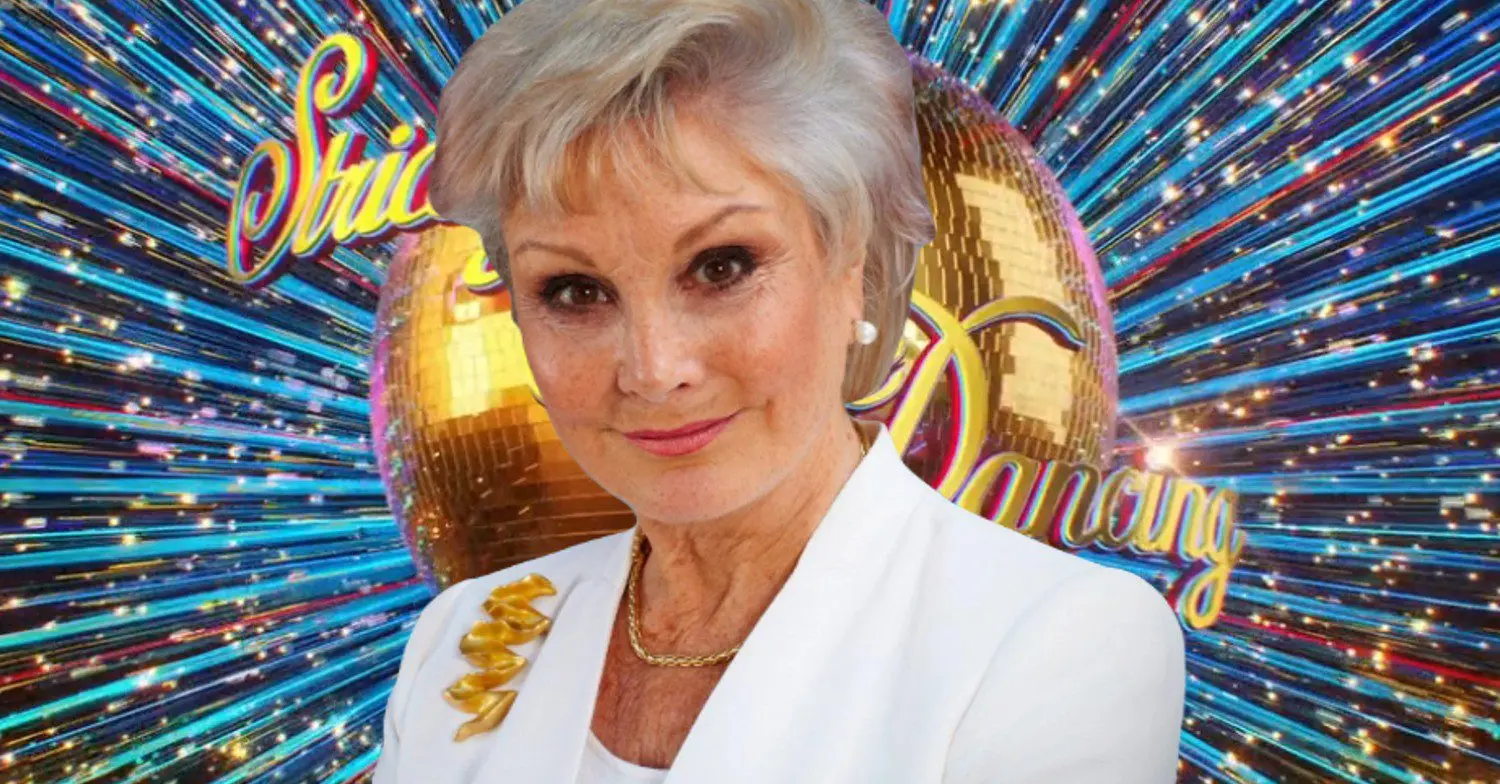
Angela Rippon is a name synonymous with British broadcasting, known for her remarkable career spanning over five decades. As a pioneering news presenter and journalist, she broke barriers for women in the media, becoming a household name across the United Kingdom. Her achievements not only encapsulate her personal journey but also reflect broader changes in the media landscape, making her an important figure to discuss in the context of broadcasting history.
Career Highlights
Rippon began her career in journalism at a local newspaper in her home city of Plymouth before moving on to the BBC in 1966. She made history in 1975 as the first female news presenter on BBC ‘News at Ten,’ a groundbreaking role that set a precedent for female journalists to come. Angela was known for her authoritative delivery and engaging presentation style, which captivated audiences and earned her numerous accolades.
Throughout her career, Angela has hosted a range of programmes, including ‘Tonight,’ ‘Good Morning Britain,’ and various documentaries. Her versatility has allowed her not just to report news but also to delve into subjects such as health, social issues, and lifestyle, showcasing her expansive talents in storytelling and journalism.
Recent Developments
In recent years, Rippon has continued to be a media presence while also engaging with public speaking and advocacy, particularly around issues such as dementia awareness and ageism in media. In 2022, she received recognition as a ‘Broadcasting Legend’ at the National Television Awards, a testament to her contributions and influence within the industry.
Impact on Future Generations
Angela Rippon’s influence extends beyond her notable career; she has inspired countless young journalists and presenters, especially women striving to make their mark in the field. By breaking down gender barriers and establishing a platform for more inclusive representation in broadcasting, she has opened doors for many aspiring professionals. Furthermore, her recent advocacy work stresses the importance of representation for older individuals in media, promoting age diversity.
Conclusion
As Angela Rippon continues to engage with the media world, her legacy remains crucial for understanding the evolution of journalism and broadcasting in the UK. Her journey highlights the importance of perseverance and innovation in a constantly changing industry. Looking forward, Rippon’s ongoing advocacy for inclusivity in media suggests that the future of broadcasting may be more diverse and representative, helping to shape a broader understanding of the society it reflects.
