Introduction
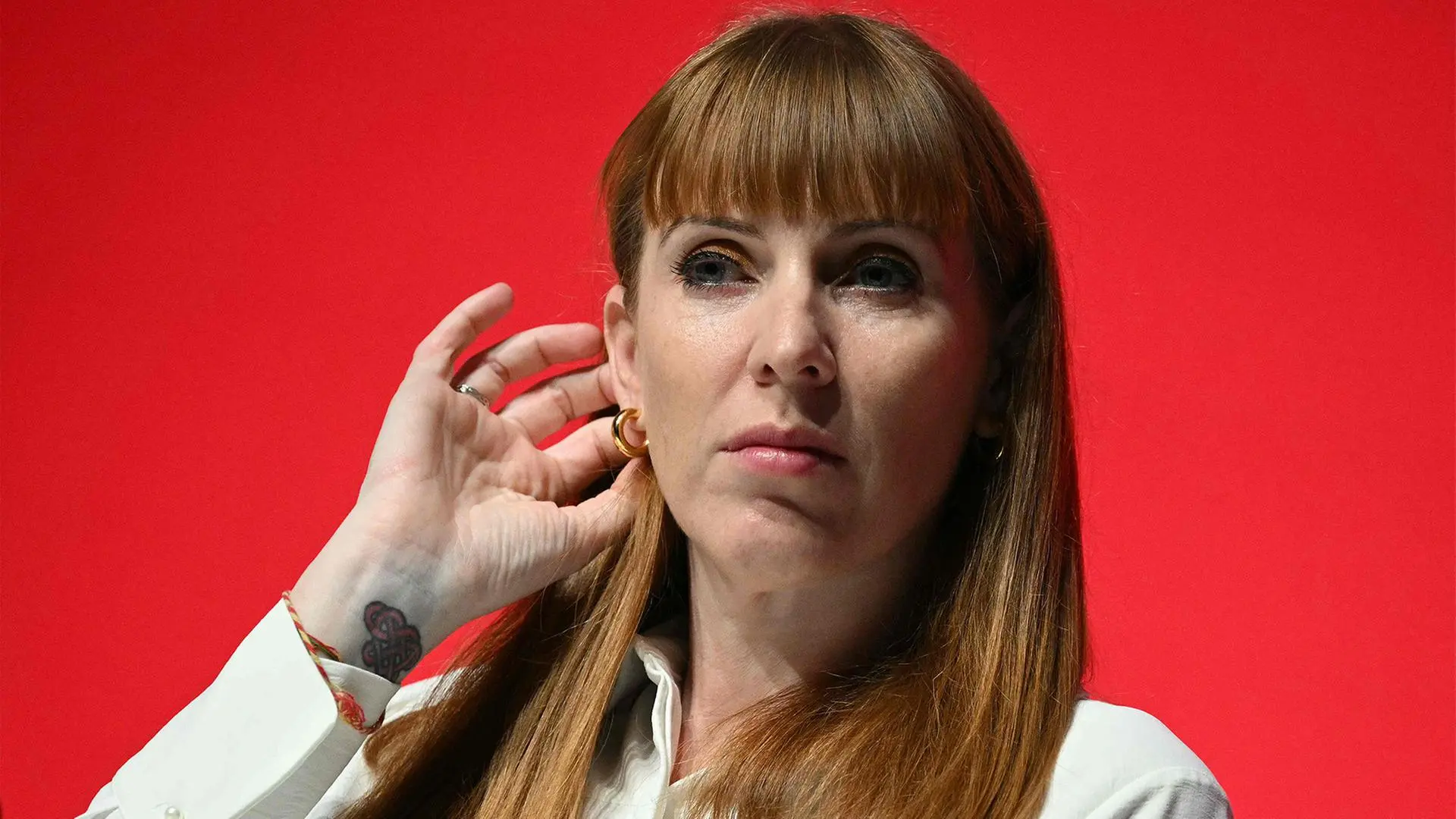
Angela Rayner, Deputy Leader of the Labour Party and Shadow Chancellor of the Duchy of Lancaster, has recently gained considerable attention within UK politics. Her increasing influence is not just tied to her role in opposition but also her outspoken stance on key issues affecting citizens. As the political landscape continues to shift, understanding her positions and contributions is crucial for voters and political analysts alike.
Political Background
Born in Stockport in 1980, Angela Rayner’s rise to prominence in the Labour Party has been nothing short of remarkable. She became an MP for Ashton-under-Lyne in 2015, quickly advancing to key shadow cabinet positions. Her ascent reflects the party’s strategic efforts to appeal to a broader demographic, especially with her roots in working-class communities. Rayner’s authenticity and relatability resonate strongly with many constituents, making her a vital asset in Labour’s push against the Conservative government.
Recent Developments
This week, Rayner made headlines during a Parliament session where she challenged Prime Minister Rishi Sunak over the rising cost of living. Her passionate speech highlighted the struggles faced by families across the UK, calling for more robust government interventions to ease financial burdens. As winter approaches, these issues are becoming increasingly urgent, prompting discussions about energy prices and inflation rates. Rayner’s emphasis on these topics has positioned her as a significant voice for working-class people, reflecting the Labour Party’s renewed commitment to addressing economic inequalities.
Impact on Voter Sentiment
According to recent surveys, Rayner’s approval ratings have seen a notable increase, particularly among younger voters and those disproportionately affected by economic downturns. As the Labour Party gears up for future elections, her ability to connect with everyday issues has been a driving force. Analysts suggest that if Rayner continues to navigate these challenges effectively, she could help bolster Labour’s chances in upcoming elections.
Conclusion
Angela Rayner’s influence within UK politics cannot be understated. As she continues to advocate for policies that resonate with ordinary citizens, she may well become a key figure in shaping the future of the Labour Party and British politics at large. Her proactive approach could be vital as the UK faces various socio-economic challenges ahead. Voters should pay close attention to Rayner’s evolving role, as it may carry substantial implications for the national political landscape.
