Introduction
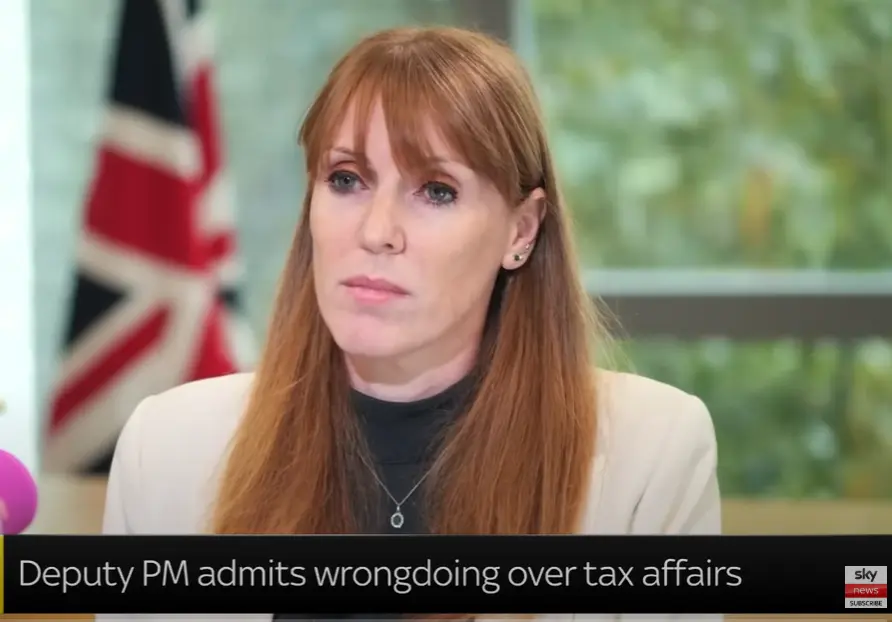
Angela Rayner, the current Deputy Leader of the UK Labour Party, has emerged as a prominent figure in British politics. Her journey from humble beginnings in a working-class family to one of the most recognisable faces in the opposition highlights the importance of representation in government. As the Labour Party grapples with internal challenges and external pressures, Rayner’s role has never been more critical.
Career Background
Born in Stockport in 1980, Rayner’s early life was marked by adversity, which has shaped her approach to policy-making and campaigning. After leaving school at 16, she worked in various roles, including as a care worker and in the trade union movement. Rayner entered politics in 2015 when she was elected as the MP for Ashton-under-Lyne. Quickly, her dedication and charisma propelled her through the ranks of the Labour Party.
Key Political Positions
As Deputy Leader, Rayner has focused on several key issues, including education, healthcare, and social equality. She has been a vocal advocate for increased funding in education, emphasising the need to support teachers and students alike. Her experience as a former teaching assistant has informed her perspective on educational reform, making her insights particularly valuable in parliamentary discussions.
Furthermore, Rayner’s position as Shadow Chancellor of the Duchy of Lancaster allows her to tackle broader economic issues, especially concerning the ongoing impact of the COVID-19 pandemic on the UK economy. Her clarity of vision has resonated with many constituents, leading to increased support for Labour in recent polls.
Recent Developments
Recent months have seen Angela Rayner at the forefront of several major political discussions. Following the latest local elections, Labour has regained critical ground in various regions, with Rayner’s grassroots activism playing a vital role in these successes. Additionally, her candid remarks on social justice and inequality have drawn significant media attention, establishing her as a formidable voice within the Labour Party and beyond.
Conclusion
Angela Rayner’s journey is emblematic of the new wave of politicians working to reshape the UK’s political landscape. As she continues to advocate for social justice and economic reform, her influence is likely to grow. For readers hoping to understand the future of UK politics, keeping an eye on Rayner’s next moves might be essential, as her contributions could significantly impact Labour’s trajectory and the nation’s policies in the coming years.
