Introduction
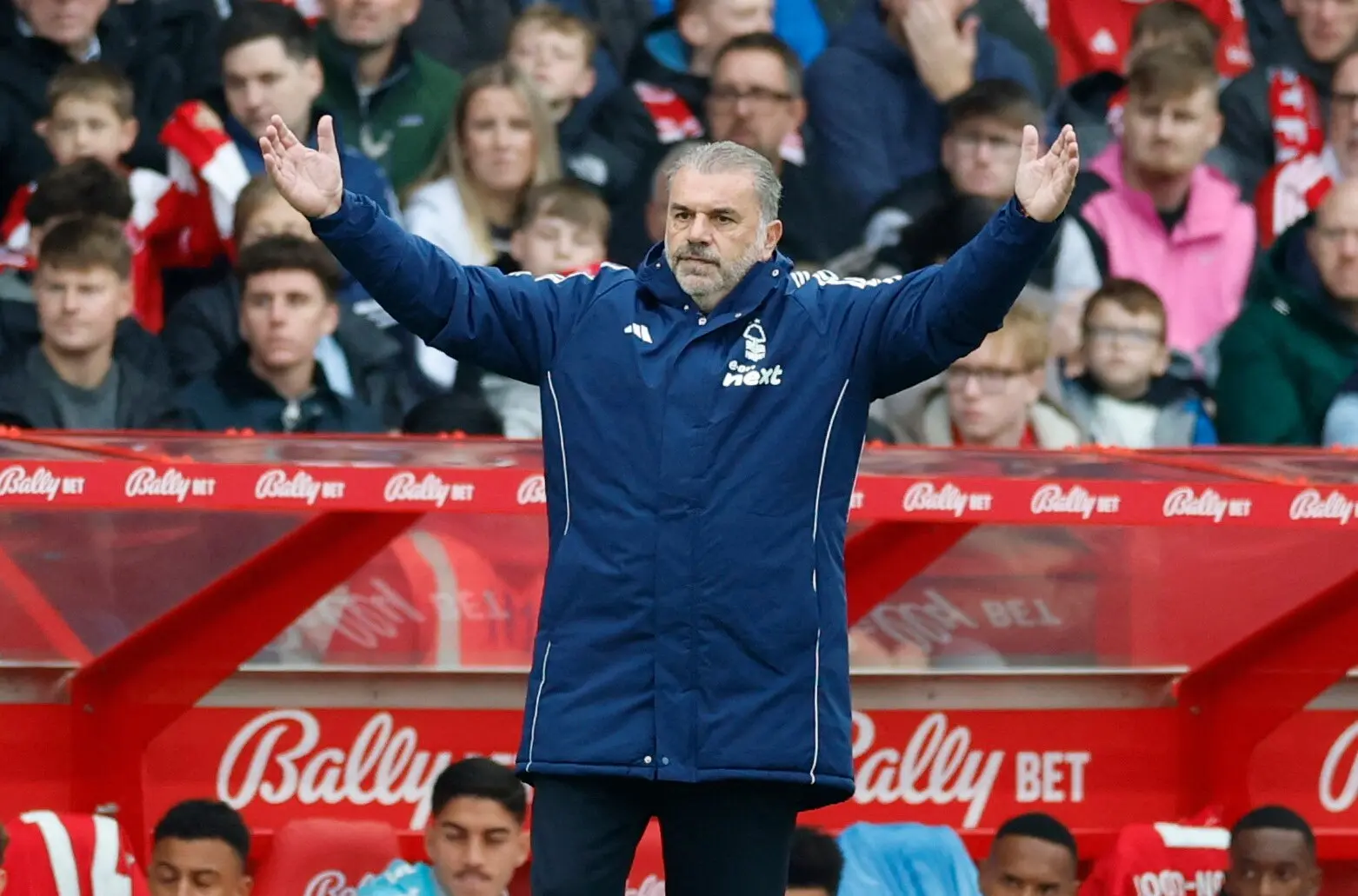
The recent sacking of manager Angé from his position at the Premier League club has sent ripples throughout the football community. With a history of impressive coaching stints, his departure raises questions about the team’s direction and overall performance this season. As clubs aim for not only survival but success, changes in management can signify a turning point whether for the better or the worse.
The Circumstances Around Angé’s Departure
Angé was reportedly let go after an alarming run of poor results, culminating in a disappointing loss against a rival team last weekend. The club had initially hoped for a turnaround with several tactical adjustments, but these failed to yield results on the pitch. As a consequence, the team’s performance has suffered, leading to concerns of relegation as they sit in the lower half of the league table.
Club executives were faced with the difficult decision to part ways with Angé despite his long-standing association with the club and previous successes. Having joined the club three seasons ago, he led them to a cup victory in his first year, but recent form had deteriorated drastically, and stakeholders felt that a fresh approach was vital to revitalise the squad.
Reactions from Fans and Analysts
The reaction to Angé’s sacking has been mixed among fans. Many express sadness, reminiscing about the good times under his management, while others feel that it was a necessary step given the team’s current trajectory. Moreover, analysts highlight the often-threadbare line between patience and pressure in football management, particularly when results are not forthcoming.
Future Implications
Looking forward, the club is now in search of a new manager, with several names already being thrown around in the media. The appointment of a new head coach could have significant implications for player morale and recruitment strategies as the transfer window approaches. It’s vital for the new manager to not only stabilise the team but to also implement a plan that relates directly to the players’ strengths.
Conclusion
Angé’s sacking underscores the volatile nature of football management where results dictate retention and reputation. As the club works towards appointing a new leader, fans and analysts alike will be keen to see how the transition unfolds and whether it can lead to a renewed sense of purpose both on and off the pitch. While it remains uncertain who will take up the reins, one thing is clear: the coming weeks will be critical for the future of the club.
