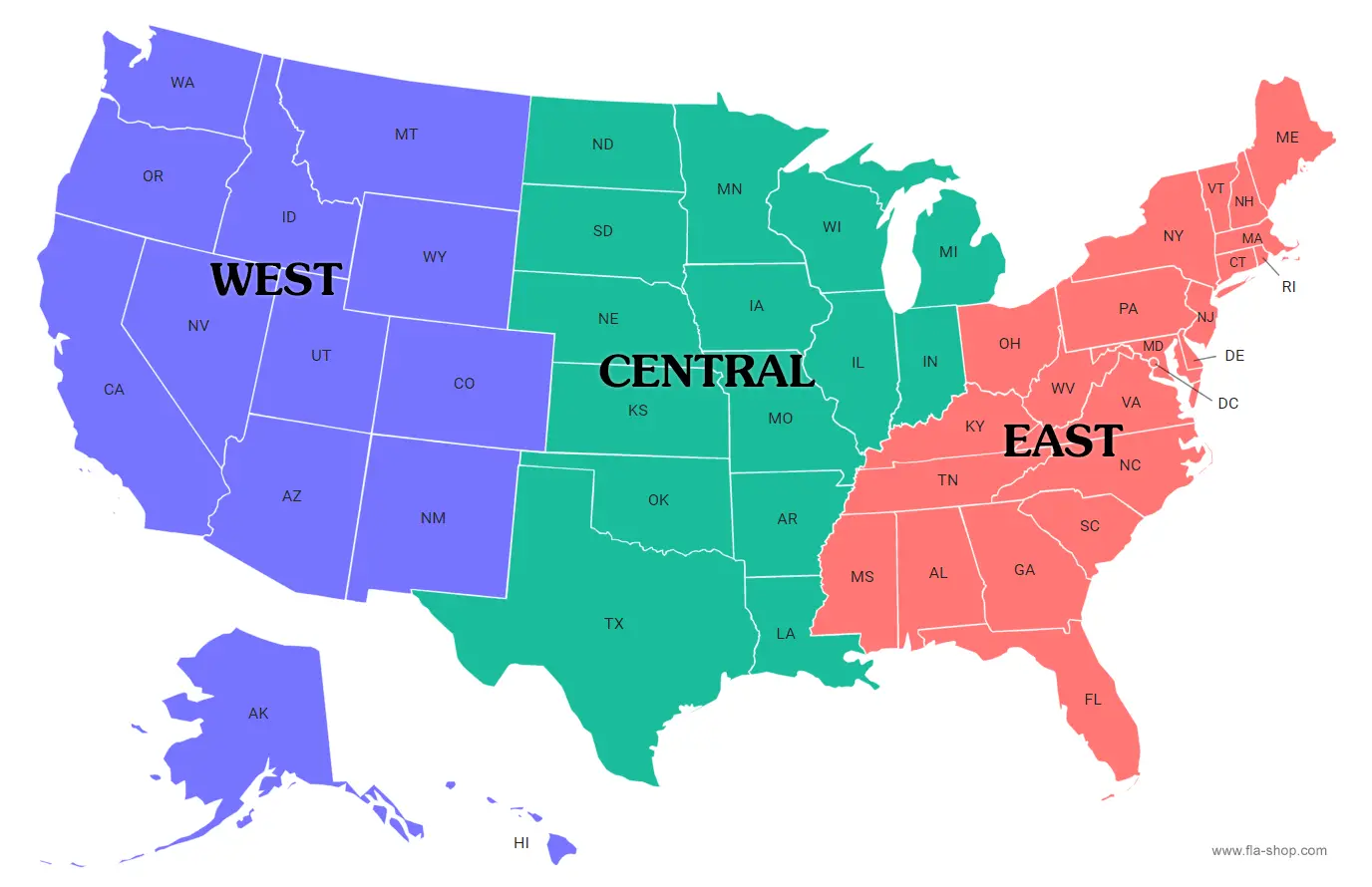
Introduction to US States
The United States comprises 50 states, each holding its unique identity, culture, and history. Understanding the dynamics of each state is crucial, not only for geographical knowledge but also for appreciating the diverse tapestry that makes up the country. With events such as state anniversaries, legislative changes, and socio-economic developments continuing to shape the landscape, knowing the importance of each state is more relevant than ever.
Diversity and Characteristics
From the snowy peaks of Alaska to the sunny beaches of Florida, every US state offers distinct offerings. For example, California is known for its technological innovations and bustling entertainment industry, while states like Texas pride themselves on their rich histories and expansive economies fueled by oil and agriculture.
In contrast, states like Vermont and New Hampshire emphasize their natural beauty and commitment to community-driven policies. The cultural nuances between states are evident in regional languages, cuisines, and traditions, which contribute to the societal fabric of America.
Current Events and Changes
Recent developments across various states have drawn national attention. For instance, the ongoing debates in states concerning climate change legislation indicate how local policies can have far-reaching implications. In addition, recent census data has revealed shifting population trends, with states like Texas and Florida seeing significant growth due to migration patterns, while states in the Midwest face population declines.
Moreover, the economic impacts of the COVID-19 pandemic remain an ongoing concern, with states utilizing different strategies to recover and support their economies. For example, states such as Colorado have embraced the growth of remote working policies, while others are focusing on revitalising their tourism industries.
Conclusion and Future Outlook
The individual characteristics and current events in US states provide critical insight into America’s past and future. As states evolve and address contemporary issues ranging from economy to climate change, their significance will only increase. For residents and readers alike, staying informed about state-level developments not only enhances understanding of national issues but also encourages involvement in local governance and policy-making.
