Introduction
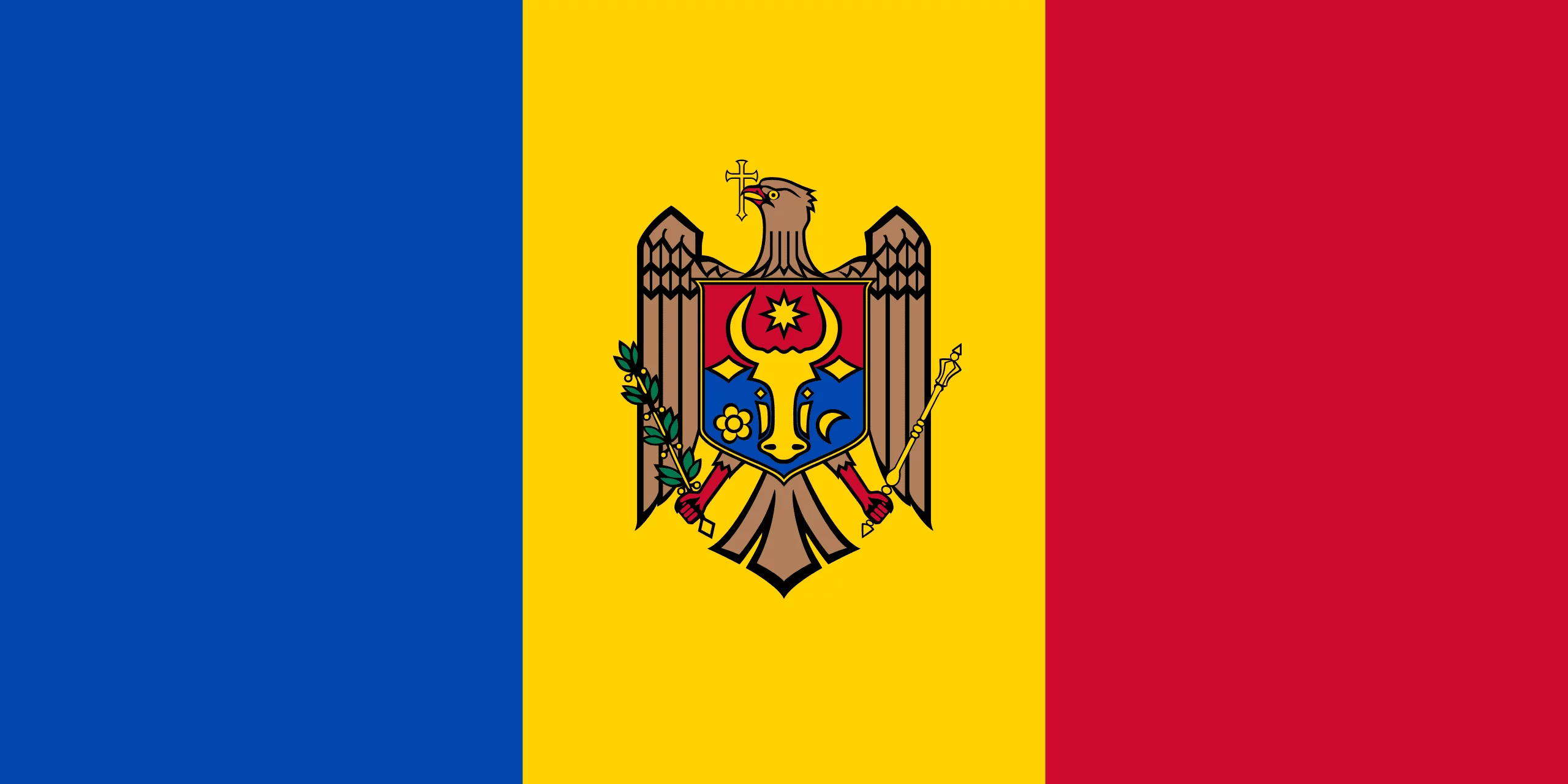
Moldova, a small landlocked nation situated in Eastern Europe, has drawn increasing attention in recent years due to its complex political landscape and rich cultural heritage. Bordered by Romania to the west and Ukraine to the north, east, and south, it has a population of approximately 2.6 million. The relevance of Moldova continues to grow in global discussions as it grapples with economic development, geopolitical challenges, and cultural identity.
Geography and Demographics
Moldova covers an area of about 33,846 square kilometers, making it one of the smallest countries in Europe. Its terrain is primarily hilly with fertile plains that are conducive to agriculture, particularly in wine production. The capital city, Chișinău, serves as the political, economic, and cultural centre of the country. The population is ethnically diverse, including Moldovans, Ukrainians, Russians, and Gagauz, among others, contributing to a rich tapestry of traditions and languages.
Current Events and Political Situation
In recent months, Moldova has faced several challenges related to political instability and external influences. The country has been in the spotlight due to its precarious position amidst tensions between Russia and the West. In October 2023, Moldova held a parliamentary election amidst calls for reforms and European integration. The pro-European Party of Action and Solidarity has aimed to align Moldova more closely with European Union standards while navigating relationships with Russia, which remains a significant influence in the region.
Protests have erupted in Chișinău as citizens demand greater governmental transparency and economic improvement. The government has been prioritising anti-corruption measures, aiming to enhance public trust. Additionally, the impact of the ongoing conflict in Ukraine has further complicated Moldova’s situation, with security concerns rising and an influx of refugees leading to increased humanitarian needs.
Cultural Significance
Moldova boasts a rich cultural heritage, particularly known for its historic monasteries, folk music, and vibrant wine festivals. The country is often referred to as the “land of wine” due to its long-standing winemaking tradition. In 2023, Moldova celebrated its wine festival, attracting thousands of tourists, which highlighted the potential for developing its tourism sector as a means to bolster the economy.
Conclusion
The significance of Moldova on the international stage continues to evolve as the country seeks stability and development. As it navigates its internal and external challenges, its rich culture and strategic position may offer paths to prosperity. Observers will be watching closely to see how Moldova responds to both domestic pressures and geopolitical dynamics in the upcoming months.
