Introduction
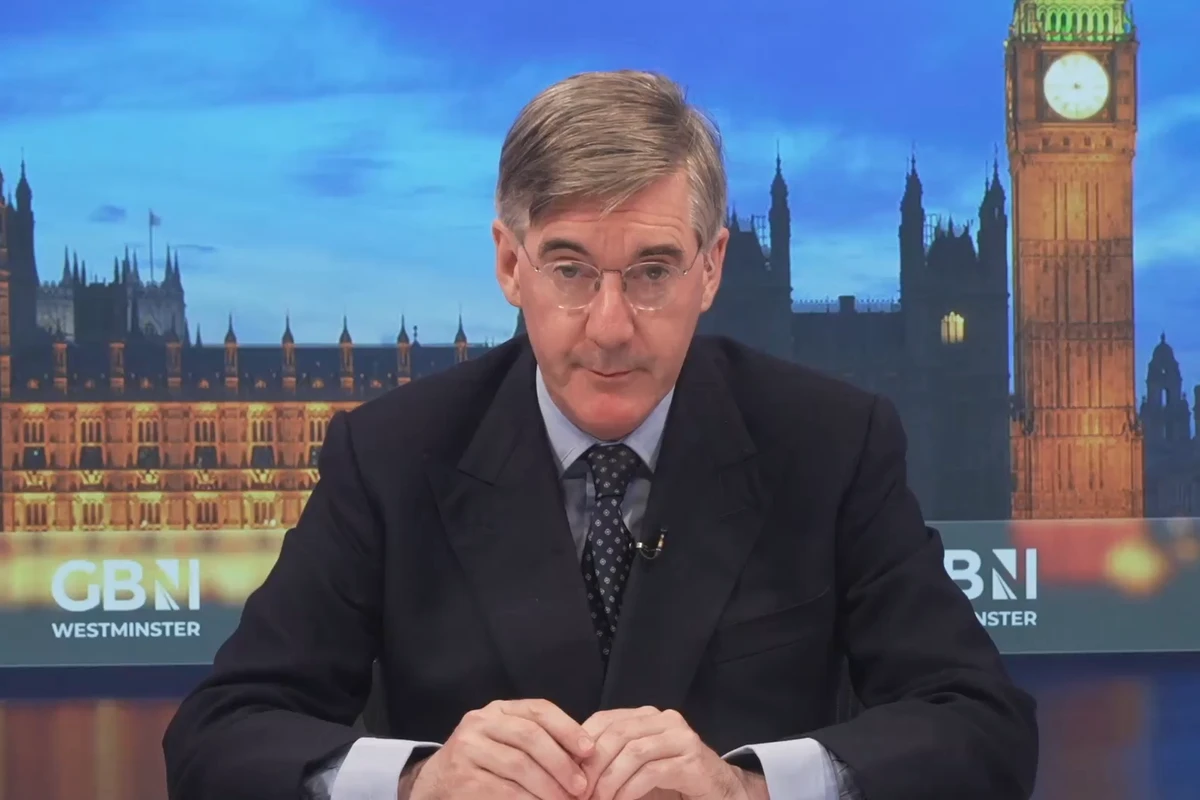
Jacob Rees-Mogg, a prominent figure in British politics, has been at the forefront of public discourse in recent years. As a member of the Conservative Party and former Leader of the House of Commons, Rees-Mogg has played a significant role in shaping UK policies, especially during the tumultuous Brexit period. Understanding his political journey and influence is essential for recognising the current landscape of British politics.
Early Life and Political Ascent
Born on 24 May 1969, in Hammersmith, London, Jacob Rees-Mogg attended the prestigious Eton College followed by Trinity College, Oxford, where he read History. His political career began when he was elected as the MP for North East Somerset in 2010. Known for his traditionalist views and commanding oratory style, he quickly gained attention within the Conservative Party.
Brexit Influence
Rees-Mogg firmly positioned himself as a staunch advocate for Brexit, promoting the idea of a complete departure from the European Union without compromising on sovereignty. As the Leader of the House from 2017 to 2019, he was instrumental in the government’s negotiations with the EU. His strong rhetoric and uncompromising stance made him a favourite among hardline Brexiteers but also attracted criticism from opposing legislators.
Recent Developments
Following the resignation of Boris Johnson in September 2022, Rees-Mogg announced his intention to step back from frontline politics. However, he remains a influential voice in Conservative circles. Recently, he has focused on representing the party’s views on energy and economic policies, outlining his vision for a post-Brexit Britain. In early 2023, he was appointed as a special advisor to the UK government, focusing on economic growth strategies.
Criticism and Controversies
Despite his popularity among certain party members, Rees-Mogg has also faced criticism for his perceived elitism and controversial comments. Critics argue that his traditional views on social issues and aristocratic mannerisms do not align with the more modern, evolving values of the UK electorate. This dichotomy raises questions about his long-term viability in a rapidly changing political landscape.
Conclusion
Jacob Rees-Mogg represents a complex figure in today’s UK politics, embodying both the traditional values of the Conservative Party and the evolving nature of political discourse. As the UK continues to navigate post-Brexit challenges, Rees-Mogg’s upcoming contributions could significantly impact the Conservative Party’s direction. His ability to adapt and resonate with a broader audience will be critical in shaping his legacy and the future of UK politics.
