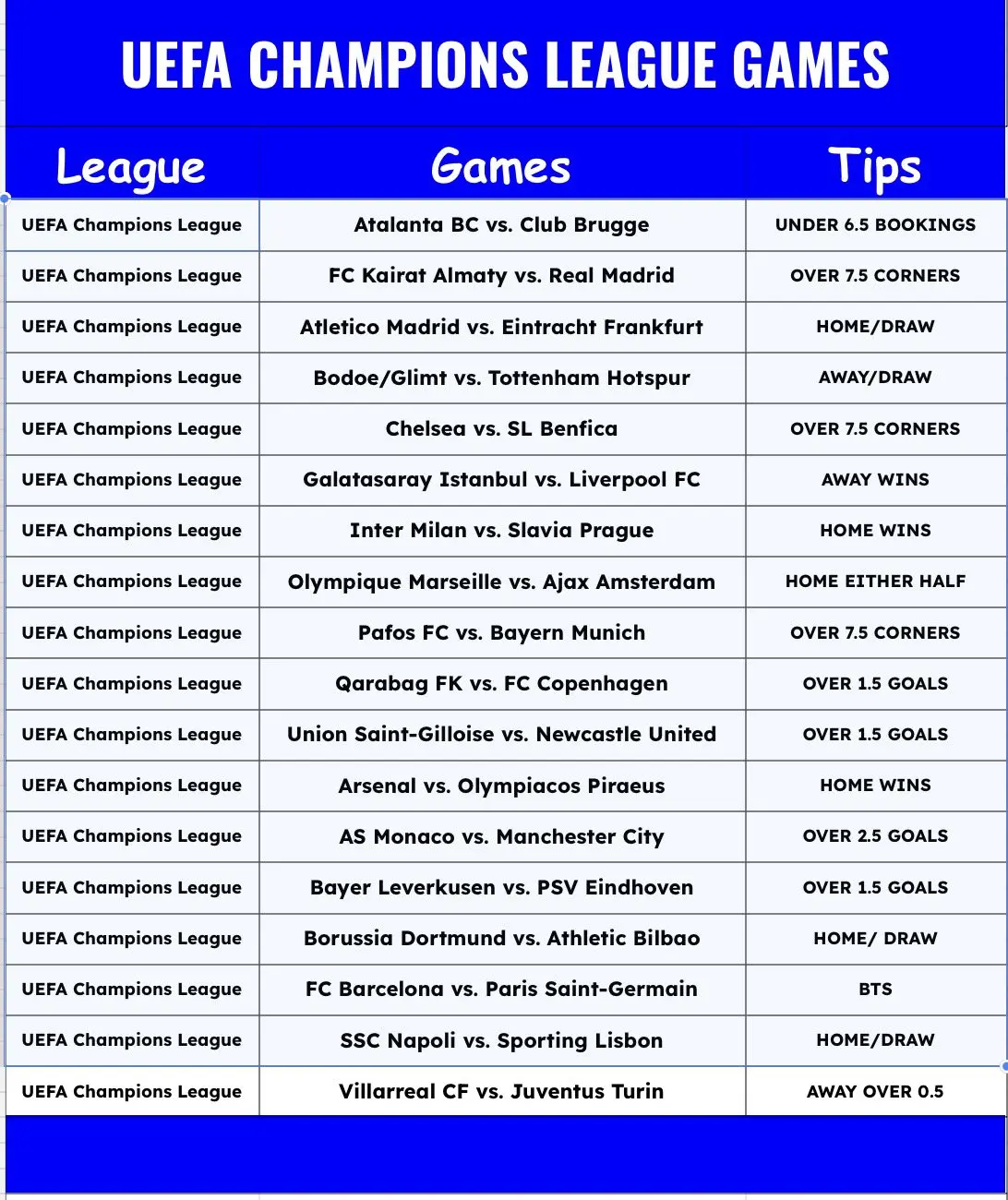
Introduction
The UEFA Champions League is one of the most prestigious tournaments in football, bringing together the top clubs from across Europe to compete for the coveted title. The Champions League games not only showcase outstanding talent but also generate significant economic impact and reflect cultural ties between nations through football. In light of recent events and the evolving landscape of European football, the relevance of these matches continues to grow.
The Format of the Champions League
The tournament consists of a group stage followed by knock-out rounds. Initially, 32 teams compete in the group stage, where they are divided into eight groups of four. The top two teams from each group progress to the knockout phase. Recent changes have introduced video assistant referees (VAR) and alterations in seeding rules, which have further amplified the stakes involved in the games.
Recent Highlights
The group stage for the 2023-2024 season has unfolded with thrilling matchups. Noteworthy performances include Manchester City’s dominant play, defending their title with victories against formidable opponents, and Barcelona returning to form after a few challenging seasons. Additionally, the underdog story of FC Porto has captured fans’ attention with their surprising wins against traditionally stronger teams.
Impact of Champions League Games
Champions League games have immense implications beyond just the sport. According to UEFA, the tournament generates substantial revenues estimated at over €2 billion annually. The influx of fans in host cities boosts local economies, impacting industries such as hospitality and transport. For clubs, performance in these prestigious games can influence sponsorships and player market value significantly.
Future Considerations
Looking ahead, the introduction of new formats has sparked debates among clubs about the balance between competitiveness and commercial interests. Changes such as additional matches in later rounds may soon affect teams’ schedules and player welfare. Fans are divided; while some embrace the excitement of more games, others express concern over fatigue and dilution of the tournament’s quality.
Conclusion
The Champions League games are more than mere football matches; they represent the pinnacle of club competition in Europe. The excitement, drama, and unpredictability of these fixtures keep fans engaged worldwide. As changes continue to unfold within the tournament, it is essential for stakeholders—including clubs, players, and fans—to navigate this evolving landscape, ensuring that the essence of the competition remains intact.
