Introduction
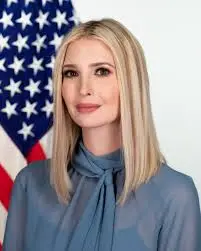
Ivanka Trump, daughter of former President Donald Trump, is a prominent figure in both the business and political realms. Her dual role as an entrepreneur and advisor has shaped discussions around women’s involvement in leadership positions and the intersection of family and politics. As she continues to navigate her public persona, studying her influence is vital for understanding contemporary political dynamics and social entrepreneurship.
Background and Career
Born on October 30, 1981, in New York City, Ivanka Trump pursued a modelling career at an early age before transitioning into business. She graduated from Georgetown University with a degree in economics in 2004. Following her studies, she joined the Trump Organization, where she focused on brand development and property management. In 2017, she launched her own fashion brand, which, however, was shut down in 2018 due to various controversies and challenges related to her family’s political ties.
Political Involvement
During her father’s presidential campaign and subsequent administration, Ivanka Trump served as an advisor, focusing on issues such as women’s workforce participation and economic empowerment. She aimed to create initiatives like the “Women Who Work” campaign, promoting policies that support working families. Her tenure in the White House was marked by both praise and criticism, as some viewed her as a champion for women’s rights while others questioned her effectiveness and the authenticity of her causes.
Recent Developments
Since leaving the White House, Ivanka Trump has maintained a relatively low profile, though she has occasionally engaged in public appearances and discussions surrounding business and women’s issues. In 2023, as the Trump family continues to be relevant in political conversations, she has indicated her intention to remain active in the business sector while supporting causes that resonate with her values. Speculations about her potential return to politics are ongoing, especially as her father’s bids for future elections gain traction.
Conclusion
Ivanka Trump represents a complex figure at the intersection of entrepreneurship, politics, and societal values. As she continues to evolve in her career, observing her contributions will provide insights into the prevailing attitudes toward women in leadership and the impact of family legacy in politics. With the 2024 elections approaching, her role within the Trump family and beyond may redefine not only her path forward but also the perception of women in political spaces.
