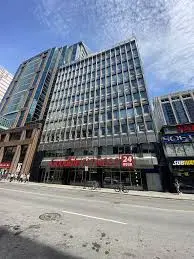
Introduction
Toronto, the capital of the province of Ontario, is not just the largest city in Canada but also one of the most multicultural urban centres in the world. In recent years, Toronto has gained significant recognition for its thriving arts scene, diverse food culture, and as a hub for technology and innovation. Understanding Toronto’s importance is essential for appreciating its role in global urban trends and cultural exchanges.
Cultural Diversity
Toronto is often referred to as ‘the world within a city’ due to its over 200 nationalities and half of its residents being born outside Canada. The city celebrates this diversity through its numerous festivals, such as Caribana, which showcases Caribbean culture, and the Toronto International Film Festival (TIFF), known for attracting film aficionados from across the globe.
Economic Growth and Innovation
Toronto has emerged as a leading destination for tech companies. With an industry valued at more than CAD 9.7 billion, the city is often dubbed the ‘Silicon Valley of the North.’ Major companies, including Google and Amazon, have opened offices in Toronto, attracted by the city’s skilled workforce and supportive business environment. Recent statistics show that the tech job market continues to expand, presenting exciting opportunities for professionals and startups alike.
Real Estate Boom
The demand for housing in Toronto has skyrocketed, resulting in a competitive real estate market. With prices for average homes exceeding CAD 1 million, many potential homeowners face challenges in entering the market. In response, various initiatives, including affordable housing projects and policy changes, are being proposed to alleviate the pressures faced by residents and prospective buyers.
Public Transportation and Infrastructure
Toronto’s public transportation, overseen by the Toronto Transit Commission (TTC), offers extensive subway, tram, and bus services, connecting residents to various neighbourhoods and nearby cities. Recent investments in infrastructure improvements, such as the Eglinton Crosstown Light Rail Transit (LRT) project, aim to enhance the overall commuting experience and reduce traffic congestion.
Conclusion
As Toronto continues to evolve, it stands as a beacon of inclusivity and innovation. The city’s unique cultural landscape and economic vitality make it a significant player in both the Canadian and global contexts. Looking ahead, Toronto is set to address housing challenges and expand its public transport infrastructure, ensuring that it remains an attractive destination for future generations. For residents and visitors alike, the city’s rich offerings provide a glimpse into the potential of urban living.
