Introduction
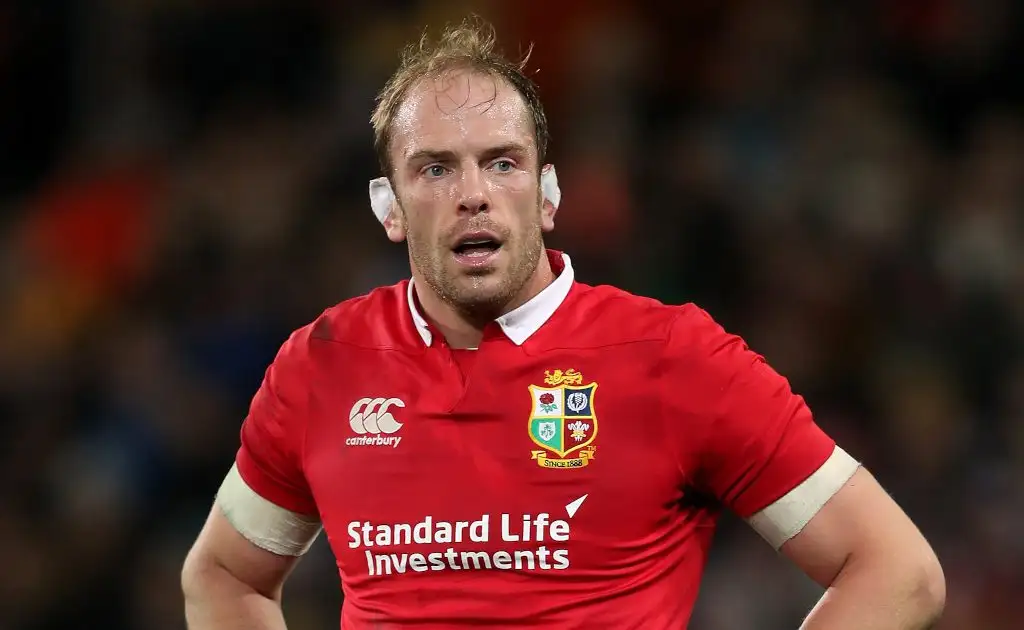
Alun Wyn Jones is a name synonymous with rugby excellence, particularly within the Welsh national team and the British and Irish Lions. As one of the most capped players in rugby union history, his career has significantly impacted the game, making him a beacon for aspiring athletes and a symbol of resilience and leadership. With his recent retirement, it’s crucial to reflect on his legacy and the influence he has had on the sport.
Career Highlights
Born on December 19, 1985, in Swansea, Wales, Alun Wyn Jones began his professional rugby career with Ospreys in 2004. Over the years, he showcased extraordinary skills as a lock, combining physical prowess with outstanding leadership qualities. He made his debut for the Welsh national team in 2006, and since then, he has been a pivotal part of the squad, leading Wales to numerous victories including the Six Nations Championship titles and a grand slam in 2019.
Jones also played a crucial role in the British and Irish Lions tours, representing the team in 2009, 2013, 2017, and 2021. His leadership earned him the captaincy in the 2021 series against South Africa, where he was instrumental both on and off the field. He surpassed the previous international caps record, becoming the most capped player in rugby history in 2021, an achievement that highlights his dedication and resilience throughout his career.
A Legacy of Leadership and Tenacity
Beyond statistics, what sets Alun Wyn Jones apart is his character. Known for his intense focus and work ethic, he has inspired countless players and fans alike. His ability to perform under pressure, combined with a fierce competitive spirit, has often been credited as a factor in many of Wales’ crucial victories. His farewell match during the 2021 Lions Tour was a poignant reminder of his contributions to the sport.
Conclusion
Alun Wyn Jones leaves behind an indelible mark on the rugby world. His influence extends beyond the pitch, embodying the values of teamwork, resilience, and sportsmanship. As one of the game’s greatest locks, his legacy will continue to inspire future generations of rugby players. While his on-field presence will be missed, fans and followers of the sport can look forward to his continued involvement in rugby, possibly through mentoring or coaching roles, ensuring that his passion and knowledge benefit the next wave of talent.
