Introduction
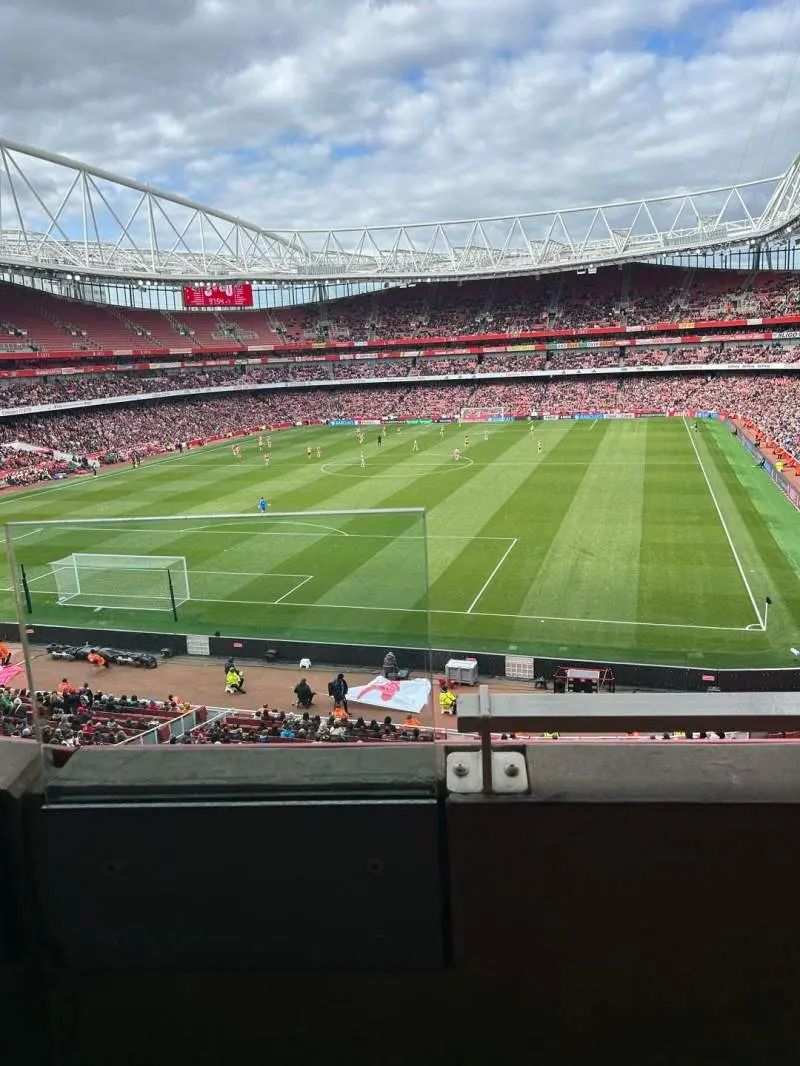
Emirates Stadium, located in Holloway, North London, is the home ground of Arsenal Football Club. Opened in 2006, the stadium has since become a significant landmark not only for football fans but also for sports enthusiasts around the world. Its modern facilities and capacity of over 60,000 spectators make it one of the largest stadiums in the UK, enhancing its relevance in both sports and architecture.
A Glimpse into History
The journey to Emirates Stadium began in 1997 when Arsenal made the decision to move from their previous home, Highbury, due to space constraints and the need for a larger capacity. The new stadium project was completed with a reported cost of approximately £390 million, funded through various revenue streams including sponsorship deals and ticket sales. Emirates Airline secured the naming rights for the stadium, establishing a long-term partnership that has benefited both the airline and the club.
Design and Features
Designed by architects Populous, Emirates Stadium reflects a modern aesthetic, featuring a steel roof structure and an eye-catching facade. The stadium boasts state-of-the-art amenities, including an expansive concourse, hospitality sections, and numerous bars and food outlets, catering to a diverse audience. Additionally, the ground has made commitments to sustainability with various initiatives aimed at reducing its carbon footprint, such as energy-efficient lighting and waste management systems.
Significant Matches and Events
Since its opening, Emirates Stadium has hosted a plethora of high-profile matches, including Premier League games, UEFA Champions League fixtures, and international encounters. The stadium has also been the venue for important events like the 2017 UEFA Europa League final. Arsenal’s home games attract fans from across the globe, making it a vibrant hub for football culture.
Future Prospects
Looking ahead, Emirates Stadium is set to evolve further. Plans are underway for upgraded facilities and expanded hospitality options to improve the match-day experience. With ongoing developments in sports technology, Arsenal fans can expect innovative enhancements that will bring them closer to the action.
Conclusion
Emirates Stadium has undoubtedly established itself as a cornerstone of not only Arsenal Football Club but also of London’s rich sporting heritage. As it continues to grow and adapt to the changing landscape of professional sports, the stadium represents a bright future for both the club and its supporters. For fans and visitors, Emirates Stadium remains a must-see destination, where history and modernity collide to create unforgettable moments in the world of football.
