Introduction
The DVLA tax, integral to vehicle ownership in the United Kingdom, is a vital aspect of car registration and maintenance. Understanding its relevance is critical for all vehicle owners, as failure to comply can result in significant fines and legal issues. With the UK aiming for greener transport solutions, the DVLA tax structure has evolved, influencing how and why motorists pay.
What is DVLA Tax?
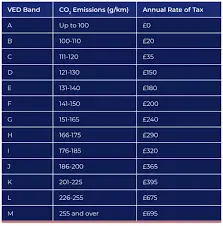
The DVLA tax, or Vehicle Excise Duty (VED), is a tax that must be paid for almost all vehicles driven or parked on public roads. It is collected by the DVLA (Driver and Vehicle Licensing Agency) and plays a vital role in funding public services and infrastructure. The amount payable varies depending on factors such as CO2 emissions, vehicle age, and fuel type.
Current Rates and Changes
As of April 2023, new changes in the DVLA tax system have been introduced, particularly affecting newer, higher-emission vehicles. Motorists are now required to pay higher taxes for vehicles that produce more carbon emissions. The rate for zero-emission vehicles has been set at £0, encouraging the use of electric cars. Moreover, the current tax bands have been recalibrated to promote environmentally friendly vehicles. For instance, cars emitting between 101g/km and 110g/km of CO2 will pay £140 annually, while those emitting over 225g/km will incur charges of £2,365.
Importance of Compliance
Compliance with DVLA tax regulations is non-negotiable. Failing to pay the necessary road tax can lead to fines of up to £1,000. Furthermore, motorists could also face legal proceedings or have their vehicles clamped or impounded. The DVLA offers online services that allow easy checking and payment of taxes, making compliance straightforward for road users.
Conclusion
The DVLA tax system is designed not only to generate revenue for the government but also to encourage more sustainable forms of transport. Understanding the nuances of this tax is essential, as it directly impacts the cost of vehicle ownership in the UK. As the government intensifies its efforts towards reducing carbon emissions, changes to these tax rates and classifications are likely to continue, making it vital for drivers to stay informed about the latest developments. For motorists, proactive approaches to managing DVLA tax obligations ensure adherence while also contributing to broader environmental goals.
