Introduction
The rivalry between Albania and Serbia extends beyond the football pitch, rooted in a complex history that reflects the tensions between the two nations. The significance of their clashes, both in international tournaments and friendly matches, transcends sports, embodying national pride and historical grievances. Understanding the context of their sporting encounters provides insights into the cultural and political narratives that have shaped both countries.
Historical Context
The relationship between Albania and Serbia has been historically fraught, marked by territorial disputes and ethnic tensions. The Kosovo War in the late 1990s intensified animosities, particularly regarding the status of Kosovo, which Serbia claims but Albania and many other nations recognise as independent. This complicated relationship spills over into sports, particularly football, where encounters are charged with emotion.
Recent Matches
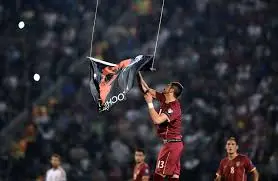
The most recent football match between Albania and Serbia took place on October 16, 2023, as part of the qualifications for the UEFA Euro 2024. The match ended in a 1-1 draw, showcasing the competitive spirit and resilience of both teams. Earlier encounters have also been historically significant, such as the heated match in 2014 that was marred by chaotic events, including a drone invasion carrying a political banner that led to a brawl between players and fans. This incident highlighted the extreme emotional investment associated with these matches.
Relevance of the Rivalry Today
As Albania and Serbia prepare for future tournaments, the implications of their rivalry continue to evolve. Both nations have shown significant progress in international football, with Albania qualifying for the UEFA Euro 2016 and making strides in their footballing abilities. Serbia remains a formidable force in European football, contributing to a growing competitiveness between the two. The passion displayed by fans during these matches further fuels anticipation for upcoming encounters, with many hoping for a peaceful expression of rivalry.
Conclusion
The football rivalry between Albania and Serbia is emblematic of broader historical and cultural dynamics, serving as a barometer of changing relations. As both nations continue to develop their footballing identities, observers can expect their future matches to be not just contests of skill but also reflections of the complex tapestry of their shared history. The hope remains that these sporting events can foster dialogue and understanding, transcending the historical grievances that have long been a part of their narrative.
