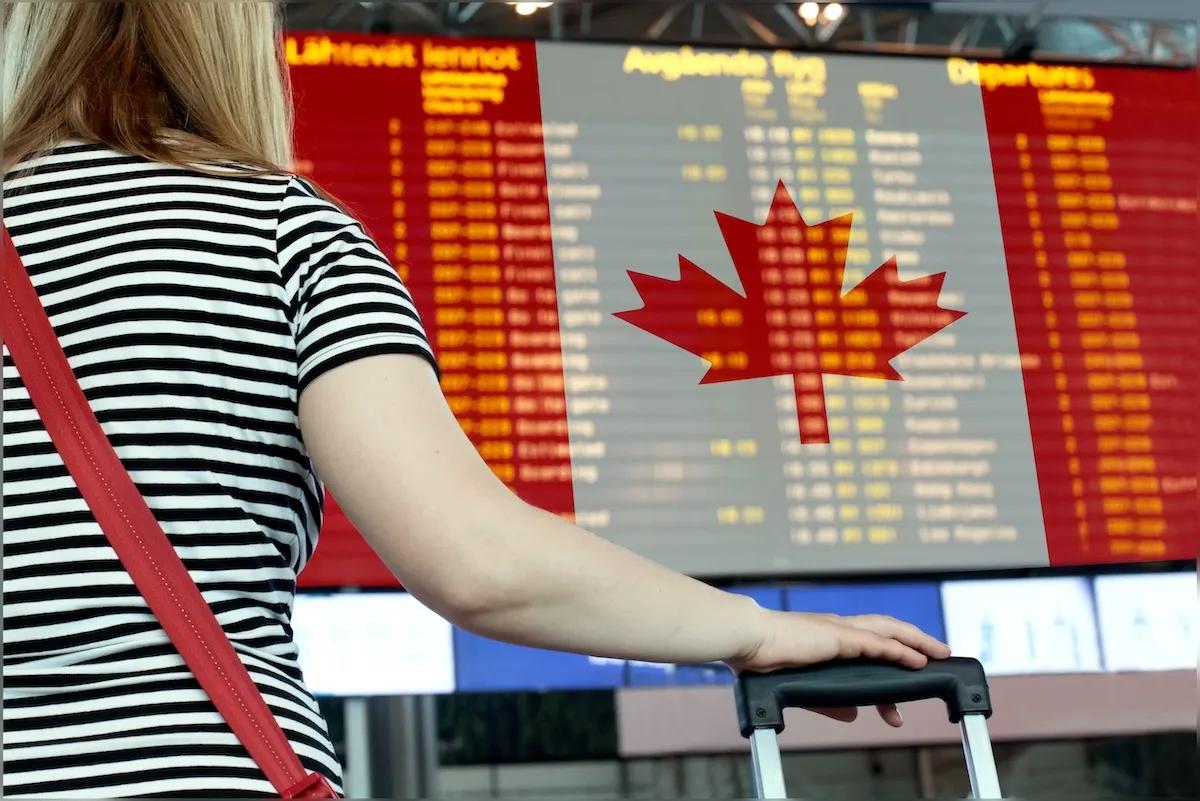
The wider picture
The widespread flight disruptions affecting Canada and the United States on Easter Monday 2026 highlight the vulnerability of air travel to the combined pressures of peak holiday demand, severe weather, and operational constraints. On April 6, 2026, a staggering total of 10,229 flights were delayed globally, while 491 flights were cancelled. These disruptions have not only frustrated travelers but have also raised questions about the resilience of airline operations during high-demand periods.
In the United States alone, there were 1,420 delays and 160 cancellations reported on the same day. Delta Air Lines was notably impacted, experiencing 76 cancellations and 92 delays, primarily affecting operations at Atlanta Hartsfield Jackson International Airport, which recorded 22 cancellations and 53 delays for departing flights. Similarly, Air Canada faced challenges with 17 cancellations and 28 delays across its network, with Toronto Pearson International Airport reporting 8 cancellations and 22 delays.
Across the Atlantic, Europe was not spared from the turmoil, with 1,475 flights delayed and 172 cancelled. Airports in major cities such as Madrid, London, and Rome were among the most affected by these disruptions. Passengers have reported extended waiting times and missed connections, amplifying the frustration felt by many travelers during this busy holiday season.
In response to the escalating situation, the Federal Aviation Administration (FAA) implemented airspace flow restrictions at multiple airports to manage the congestion. These measures aimed to alleviate some of the pressure on the air traffic system, but the effectiveness of such actions remains to be seen as the day progresses.
Furthermore, the Transportation Security Administration (TSA) has been dealing with staffing challenges, having lost nearly 500 workers during a partial government shutdown. This reduction in workforce has compounded the difficulties faced by airports, as security lines grow longer and operational efficiency declines.
Details remain unconfirmed regarding the precise cause of the disruptions in Europe, leaving many to speculate about the underlying issues affecting airline operations. As the situation continues to evolve, the figures for delays and cancellations are subject to change, reflecting the dynamic nature of air travel during peak times.
Observers and officials are closely monitoring the situation, with many anticipating further developments as the day unfolds. The hope is that airlines will be able to recover quickly from these disruptions and restore normalcy for travelers in the coming days. However, the events of April 6 serve as a stark reminder of the challenges that can arise in the aviation industry, particularly during high-demand periods.
