Who is involved
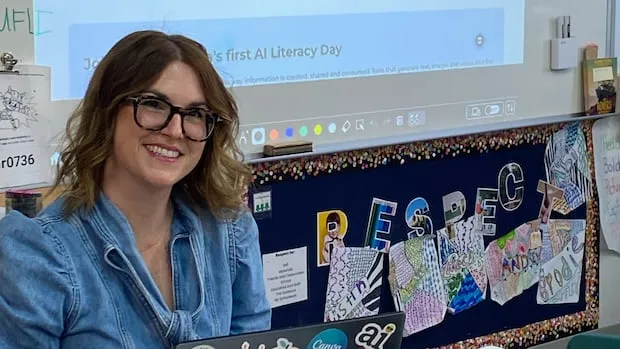
Generative AI exploded into public consciousness more than three years ago, leading to a surge in interest and usage across various sectors. However, prior to this development, there was a notable gap in AI education and training in Canada. Many individuals were utilizing AI tools without a clear understanding of their functionalities, as highlighted by Dana Connors, who teaches Grade 3 students about AI and deepfakes. She notes, “A lot of them are doing it without even realizing AI is powering it.” This lack of awareness raises concerns about the effective use of AI technologies.
Recent statistics reveal a decisive moment in the landscape of AI literacy. A global survey conducted with 48,000 participants across 47 countries indicated that more than two-thirds of respondents reported using AI for work, school, or personal reasons. Despite this high engagement, a concerning 60% of respondents admitted to lacking AI training, even as the same percentage expressed confidence in their ability to use AI tools effectively. This juxtaposition underscores a critical need for structured education on AI.
The direct effects of this shift are being felt across various demographics, particularly among schoolchildren and seniors. As AI becomes increasingly integrated into daily life, the potential for disinformation grows, making AI literacy essential for these groups. Matthew Johnson, an expert in the field, emphasizes that “I don’t think there is any sector in Canada that we can say is reliably getting any kind of education relating to AI.” This gap in education could lead to misinformed usage of AI technologies, further complicating the landscape.
In response to this urgent need for AI education, initiatives like MediaSmarts’ AI Literacy Day have been launched in Canada. This event aims to encourage learning about AI and its implications. Furthermore, the Toronto Public Library has developed resources and programming focused on AI literacy, responding to patron inquiries about the subject. Fiona O’Connor from the library states, “That’s the library’s mandate: you are here to explore because you’re curious and we’re going to help that curiosity.” Such initiatives are vital in fostering a more informed public.
Experts like Matthew Johnson advocate for a foundational understanding of AI among the general populace. He argues that when people have a basic understanding of how generative AI works, they tend to use these tools more critically and skeptically. This perspective is crucial as it highlights the importance of education in navigating the complexities of AI technologies.
While the current landscape shows a growing recognition of the need for AI literacy, Canada still ranks in the lowest third of surveyed nations regarding AI training and knowledge. This statistic illustrates the significant work that remains to be done to ensure that Canadians are equipped to engage with AI responsibly and effectively. The challenge lies not only in increasing awareness but also in providing accessible educational resources.
As the conversation around AI continues to evolve, the focus on literacy and education will be paramount. The integration of AI into everyday life is not just a trend; it is a fundamental shift that requires a proactive approach to education. As initiatives like AI Literacy Day gain traction, the hope is that more Canadians will become informed users of AI technologies, ultimately benefiting society as a whole.
