Introduction
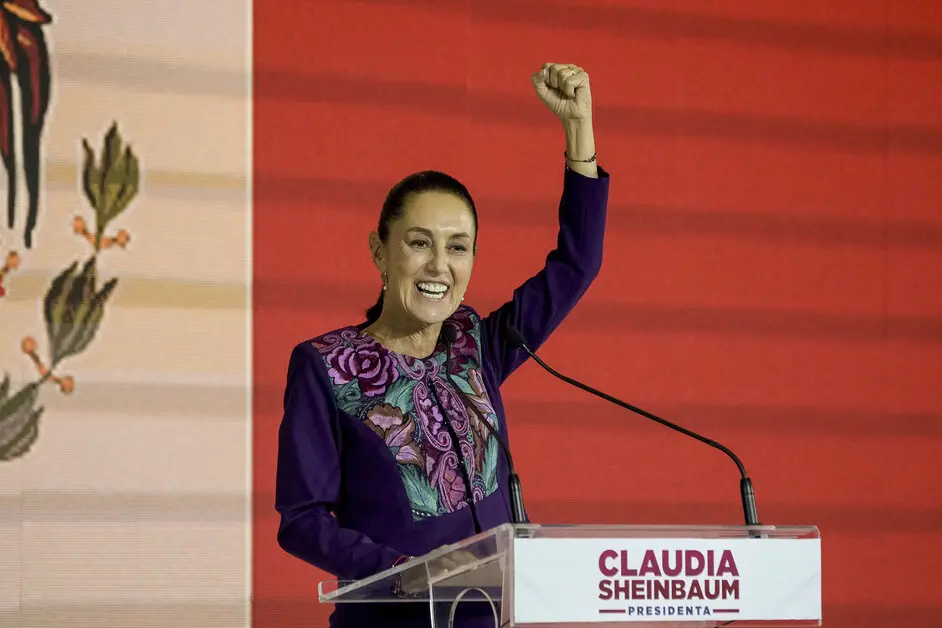
Claudia Sheinbaum has emerged as one of the most influential figures in Mexican politics, particularly known for her role as the Mayor of Mexico City. Her significance lies not only in her political positions but also in her groundbreaking achievements as a woman in a predominantly male-dominated political landscape. Sheinbaum, a physicist by training, has redefined leadership in urban governance, and her policies have implications for cities worldwide.
Early Life and Education
Born on June 24, 1962, in Mexico City, Claudia Sheinbaum pursued her studies in physics at the National Autonomous University of Mexico (UNAM). Later, she earned a PhD in energy engineering, showcasing her commitment to scientific and technological advancement. Sheinbaum’s academic background laid the foundation for her subsequent career in politics and public service.
Political Career
Sheinbaum began her political journey in the early 2000s, affiliated with the leftist Party of the Democratic Revolution (PRD). She became a member of former mayor Andrés Manuel López Obrador’s cabinet as the Minister of Environment in 2000. Her tenure in this role was marked by significant environmental reforms and sustainable development initiatives.
In 2015, she was elected as the head of government for Mexico City, making history as the first woman to hold the position. Since taking office in December 2018, Sheinbaum focused on various issues, including social inequality, environmental sustainability, and public safety. Her administration’s initiatives, such as expanding public transport and increasing green spaces, have received both acclaim and criticism.
Recent Developments
This year, Claudia Sheinbaum has intensified her political activities as a potential candidate for the presidency in the 2024 elections. Following recent national polls, she is seen as a frontrunner within the ruling MORENA party. Addressing key issues such as economic recovery post-pandemic and social justice has strengthened her appeal among voters. In the face of challenges like crime and migration, her ability to galvanise support and propose effective solutions will be crucial.
Conclusion
Claudia Sheinbaum’s journey from academia to the forefront of political leadership exemplifies the challenges and potentials of women in politics today. As she prepares for a probable presidential run, her innovative approaches to governance and commitment to progressive policies are likely to resonate with a population seeking change. Her leadership in Mexico City not only addresses local concerns but also sets the stage for broader national transformation. The upcoming elections will undoubtedly test her political acumen and the sustainability of her vision for the future of Mexico.
