Introduction
Frank Lampard, one of the most celebrated footballers of his generation, has made a profound impact on the sport both as a player and manager. His remarkable career with Chelsea FC and England national team has earned him a permanent place in football history. In light of recent developments, understanding Lampard’s contributions and current role in the sport has become increasingly relevant to fans and analysts alike.
Playing Career
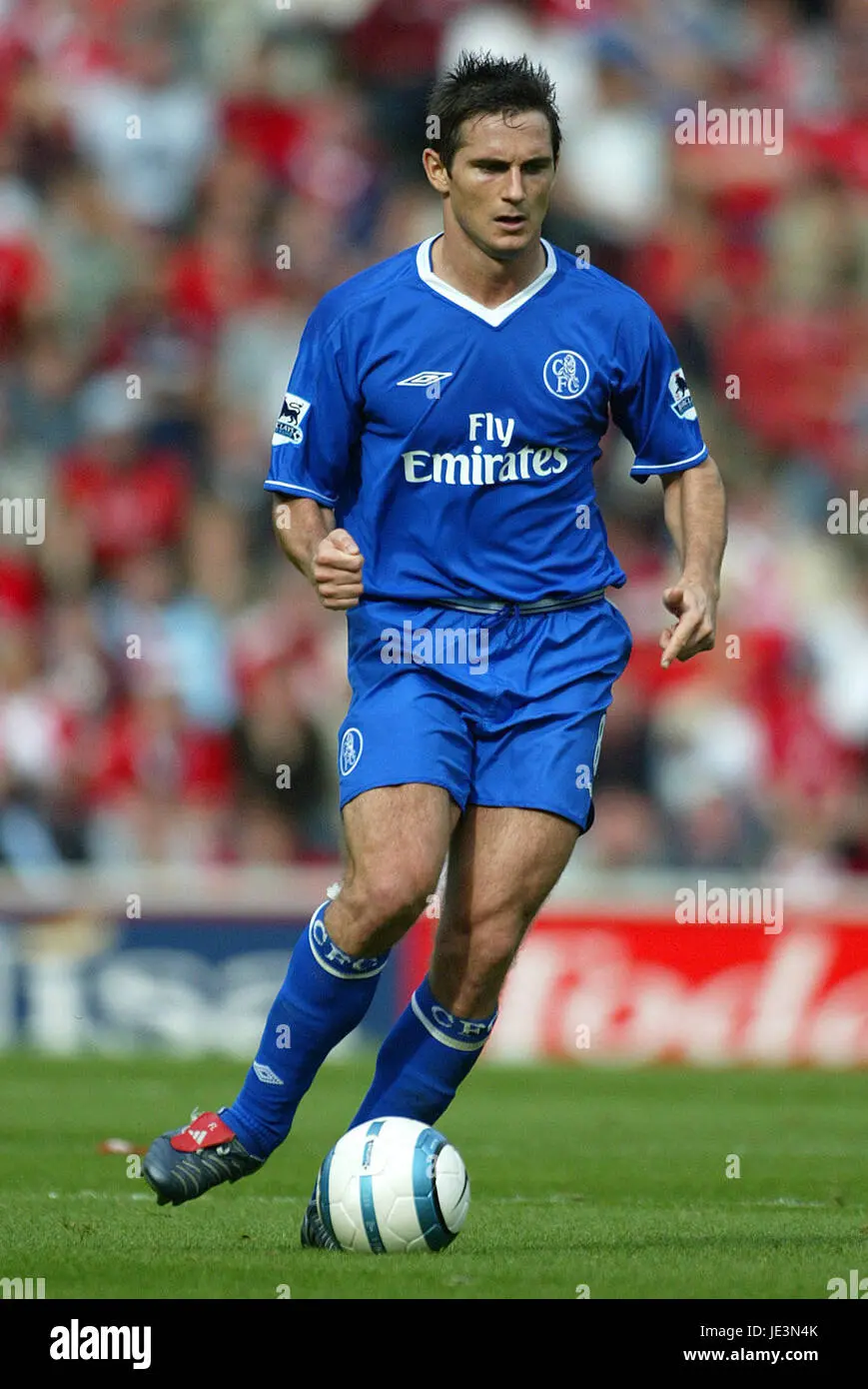
Born on June 20, 1978, in Romford, London, Lampard began his professional career at West Ham United before moving to Chelsea in 2001. During his 13-year stint with the club, he became the all-time leading scorer, netting 211 goals and winning multiple trophies, including three Premier League titles, four FA Cups, and the UEFA Champions League in 2012. His performances at the club not only showcased his exceptional skills but also his leadership qualities, making him a midfield maestro known for his precise passing, powerful shooting, and impressive work ethic.
International Career
On the international stage, Lampard represented England, earning 106 caps and scoring 29 goals. He competed in three FIFA World Cups (2006, 2010, and 2014) and played a vital role in the team’s success in the UEFA European Championship, making him one of England’s most capped players. Despite facing criticism for not winning major international trophies, his contributions to the national team remain significant.
Transition to Management
After retiring from professional play in 2016, Lampard turned his attention to management. He started his managerial career at Derby County, where he led the team to the Championship Playoff final in 2019, demonstrating his capabilities as a leader and strategist. Lampard’s most notable appointment came in 2019, when he returned to Chelsea as head coach. His tenure included a successful season in which Chelsea qualified for the UEFA Champions League, but inconsistencies led to his dismissal in January 2021.
Current Role
As of October 2023, Lampard has returned to the forefront of football as a pundit and coach. His insights into the game as a commentator have been well-received, while his managerial experiences continue to enrich his understanding of football dynamics. He has expressed interest in taking on new managerial challenges in the future, possibly seeking another position in the Premier League or abroad.
Conclusion
Frank Lampard’s journey from a football star to a managerial figure is a testament to his passion for the game. As he navigates this new chapter in his career, fans and aspiring footballers look up to him not just for his accomplishments but also for his resilience and commitment to the sport. Looking ahead, Lampard’s future in management could bring fresh perspectives and inspiration to the football community, cementing his legacy as one of the most influential figures in modern football.
