Introduction
Wuthering Heights, published in 1847 by Emily Brontë, stands as a towering work in English literature, renowned for its complex characters and its exploration of themes such as love, revenge, and social class. The novel has captivated readers for generations, and its gothic elements combined with passionate storytelling provide a rich landscape for analysis and interpretation.
Plot Overview
The story is set against the backdrop of the Yorkshire moors and revolves around the tumultuous relationship between Heathcliff and Catherine Earnshaw. Orphaned and taken in by the Earnshaw family, Heathcliff’s rise from an abused child to a vengeful figure is both tragic and compelling. Catherine’s conflicting emotions towards Heathcliff and her choice to marry Edgar Linton create a narrative rife with heartache and turmoil.
Character Analysis
Heathcliff, often viewed as archetypal of the Byronic hero, embodies the extremes of passion and obsession. His relentless pursuit of Catherine, even after her marriage, showcases the destructive power of love. Catherine, on the other hand, is portrayed as a complex character torn between societal expectations and her true feelings. The contrasting values represented by Heathcliff and Edgar Linton reflect broader themes of social class and morality.
Themes and Symbolism
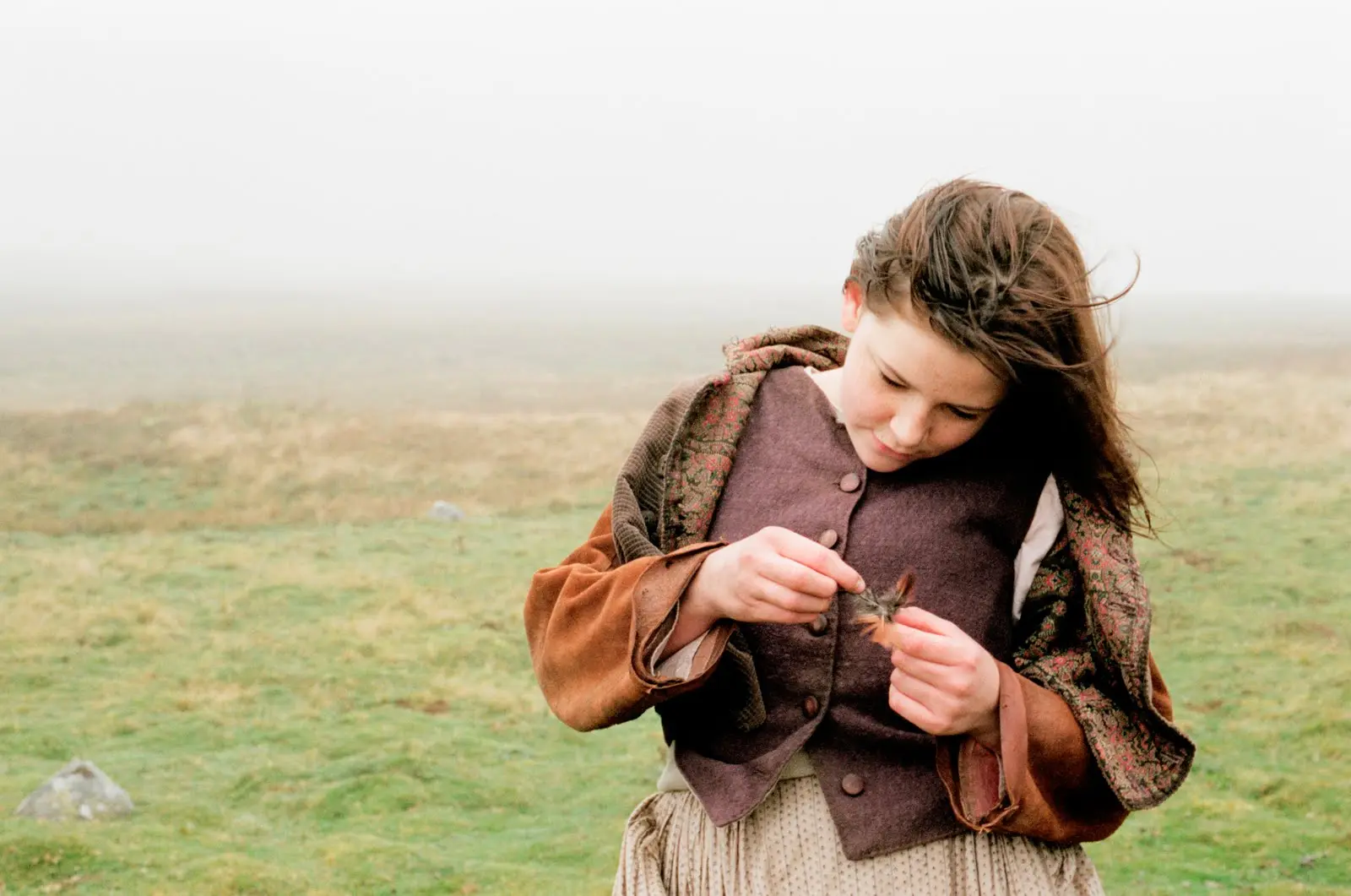
Brontë’s exploration of love is multi-faceted. The connection between Heathcliff and Catherine transcends mere romance, evolving into a manifestation of their identities. Additionally, the moors act as a significant symbol throughout the novel, representing both freedom and isolation, mirroring the characters’ tumultuous emotions. The cycle of revenge that permeates the narrative leads to devastating effects on subsequent generations, underscoring the idea of inherited trauma.
Critical Reception
Upon its release, Wuthering Heights received mixed reviews, with some critics struggling to comprehend its dark themes and unconventional structure. However, as literary tastes evolved, it has gained recognition as a classic. Many modern scholars commend Brontë’s radical approach to narrative and her deep psychological insight into her characters, making it a pivotal text in feminist and Gothic studies.
Conclusion
Wuthering Heights remains a significant literary work that invites a wealth of analysis and discussion. Its enduring themes concerning the nature of love and the complexity of human emotion continue to resonate with readers today. As we delve deeper into the moral and social implications of the text, it is clear that Brontë’s masterpiece will maintain its relevance and captivate future audiences for years to come.
