Introduction to Chronic Fatigue Syndrome
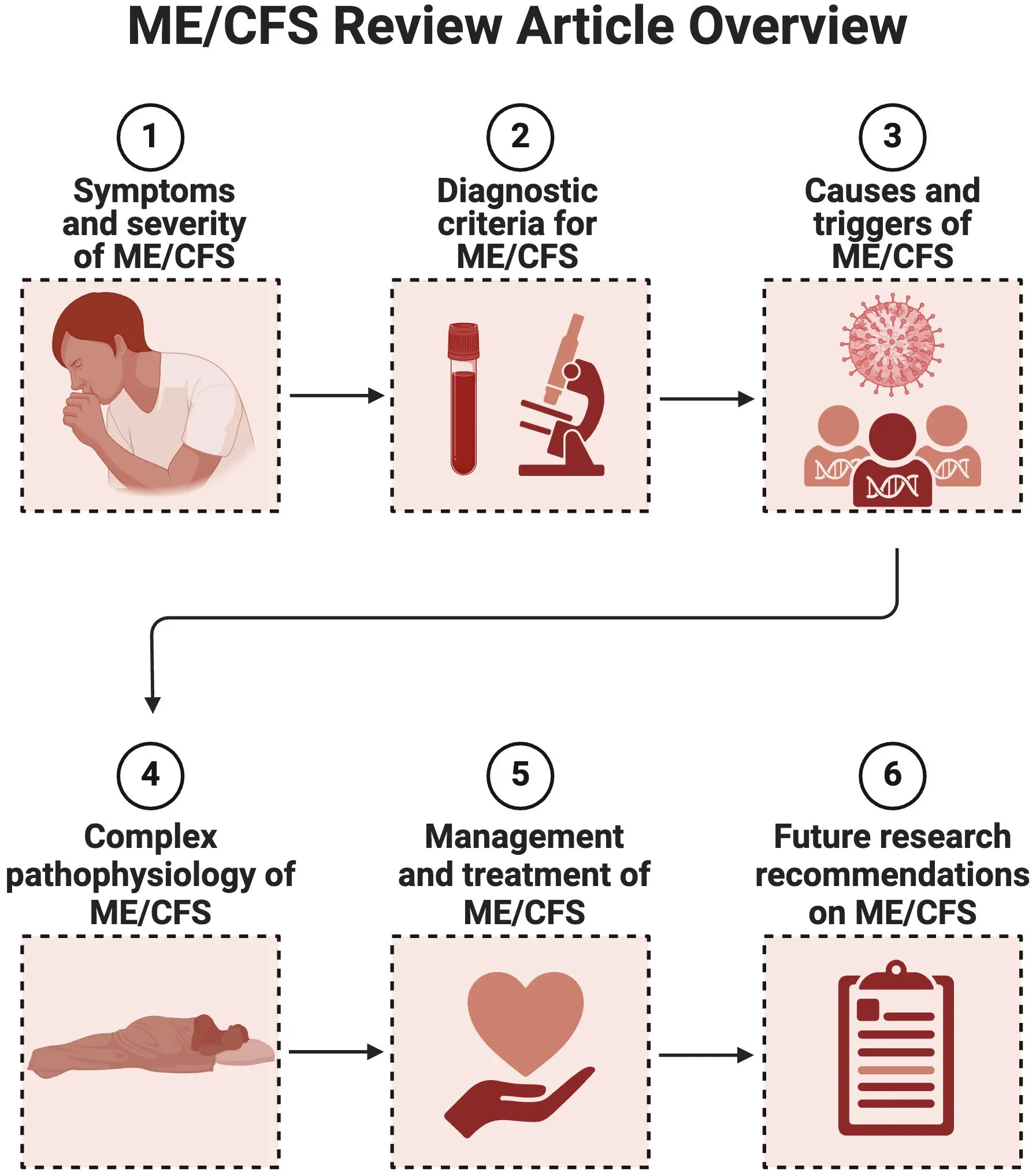
Chronic Fatigue Syndrome (CFS), also known as myalgic encephalomyelitis (ME), is a complex and debilitating disorder characterised by extreme fatigue that is not improved by rest. It affects an estimated 250,000 to 500,000 people in the United Kingdom alone, and its symptoms significantly impair daily functioning. The importance of understanding CFS cannot be understated, as awareness can lead to better support, research funding, and ultimately, more effective treatments for those affected.
Symptoms and Diagnosis
The defining symptom of CFS is profound fatigue that lasts for at least six months. Other symptoms include cognitive difficulties, persistent muscle and joint pain, sleep disturbances, and post-exertional malaise, where symptoms worsen after physical or mental exertion. Diagnosis remains challenging, as there is no definitive test for CFS. Healthcare professionals often rely on patient history and a careful review of symptoms to make a diagnosis, frequently ruling out other health conditions that may produce similar fatigue.
Current Research and Insights
Recent studies have started to shed light on the possible causes and mechanisms behind CFS. Research has suggested that genetic, environmental, and immunological factors may play a role in its onset. For instance, a study published in the journal Nature in 2023 indicates a potential link between CFS and viral infections, notably Epstein-Barr virus, suggesting an immune response may trigger the syndrome. Furthermore, ongoing research is examining biomarkers that could facilitate earlier diagnosis and treatment strategies.
Impact on Patients and Society
The impact of CFS on individuals can be profound, affecting not only physical health but also mental wellbeing and socioeconomic status. Many sufferers experience social isolation and stigma, leading to a diminished quality of life. The economic burden of CFS is also significant, with lost productivity and increased healthcare costs, prompting advocacy for better recognition and support from health systems.
Conclusion and Future Directions
The recognition of Chronic Fatigue Syndrome as a legitimate medical condition is essential for improving therapeutic approaches and patient care strategies. With increased funding for research and heightened societal awareness, there is hope for more effective interventions that can alleviate the burden of this debilitating disorder. Moving forward, further studies are crucial to deepen our understanding of CFS and to pave the way for innovative treatments that could improve the quality of life for those affected.
