Introduction to Council Tax Bands
Council tax bands play a crucial role in determining the amount of council tax a household pays in the United Kingdom. Introduced in 1993, this local taxation system is linked to property values and is an essential source of funding for local services such as education, transport, and policing. Understanding council tax bands can help residents navigate their financial responsibilities and potentially seek appeals if they believe their properties are misclassified.
How Council Tax Bands Are Set
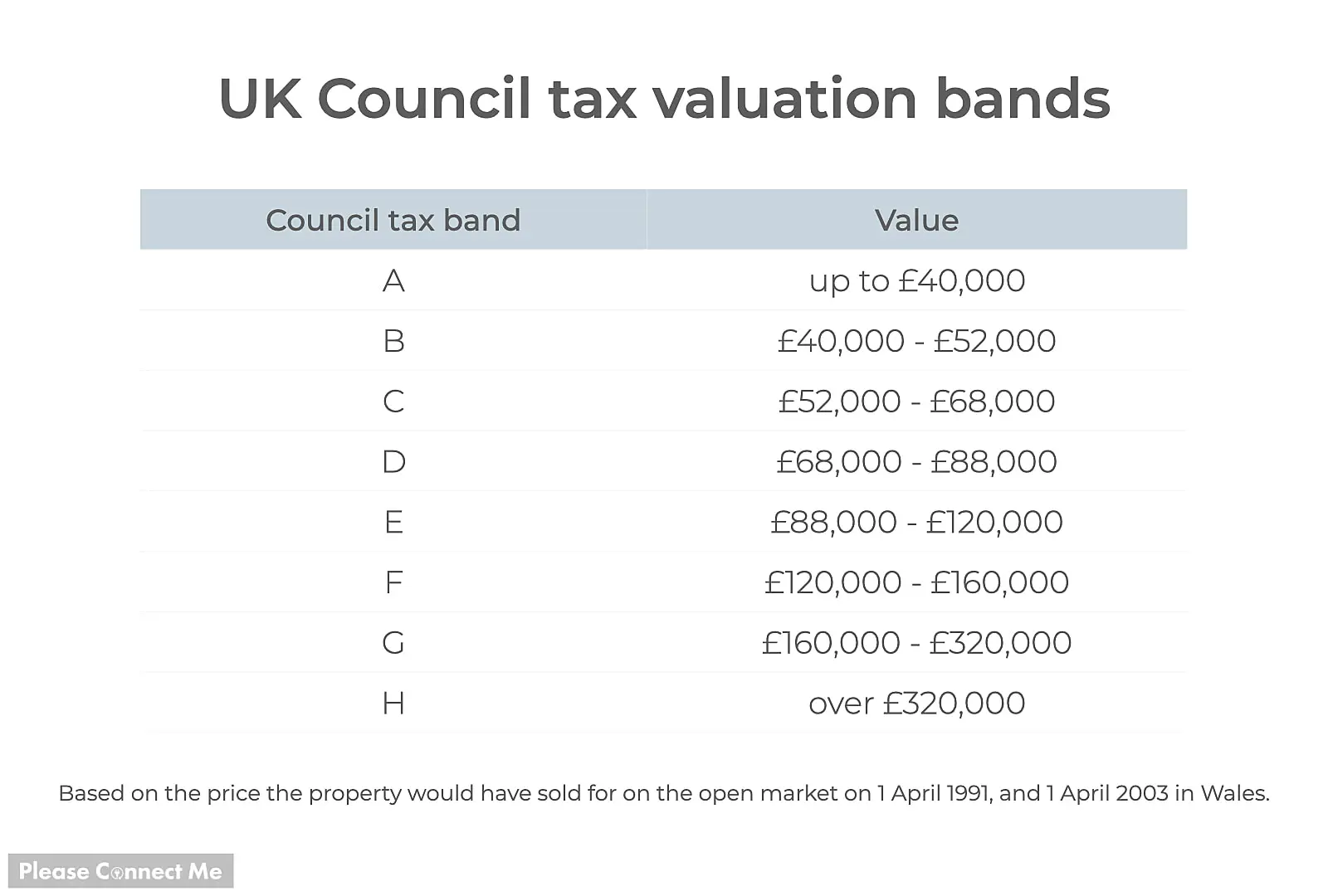
In England, council tax bands are determined by the Valuation Office Agency (VOA) and are based on property values as of April 1, 1991. Homes are categorised into one of eight bands, ranging from Band A for properties worth up to £40,000, to Band H for properties worth over £320,000. In Scotland, homes are also classified into bands, but the valuation date is set as April 1, 1991, as well.
Changes and Revaluations
There has been ongoing discussion regarding the need for a thorough revaluation of council tax bands, especially as property values have risen significantly since 1991. The last comprehensive revaluation occurred in 2005 for Wales and in England in 1991, leading many to argue that current banding does not accurately reflect the current housing market. While there have been calls for reforms to address this issue, no definitive actions have been taken yet.
Impact of Council Tax Bands on Residents
The band a property falls under will dictate how much council tax is paid. Each local council determines the tax rate for each band, which can vary significantly from region to region. Furthermore, residents on low incomes or certain benefits may be eligible for discounts or exemptions, making it vital for homeowners and renters alike to understand their band to assess their tax liability accurately.
Conclusion
In summary, council tax bands are an essential aspect of local taxation in the UK, influencing how much residents contribute towards community services. With housing markets evolving and increasing calls for reform, staying informed about your council tax band is more important than ever. Residents should review their current band, especially if they believe their property value has changed, to ensure they are not overpaying on council tax. As discussions about potential revaluations continue, it remains crucial for taxpayers to engage with local councils to advocate for fair tax practices.
