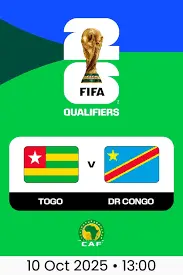
Introduction: Understanding Togo and DR Congo
Togo and the Democratic Republic of the Congo (DR Congo) are two countries located in Africa, each with its unique culture, history, and geopolitical significance. In the wake of recent developments, understanding their differences and similarities has become increasingly relevant. The two nations stand apart in terms of governance, economic structure, and social dynamics, which are crucial for analysts, researchers, and policymakers.
Geographical and Historical Context
Togo is a small West African nation bordered by Ghana, Burkina Faso, and Benin, with a population of approximately 8 million people. It gained independence from France in 1960. In contrast, DR Congo is the largest country in sub-Saharan Africa, with around 92 million residents. It was formerly known as Zaire and gained independence from Belgium in 1960 as well. The contrasting sizes of these nations significantly influence their regional interactions and economic development.
Political Landscape
Togo has experienced a mix of democratic and authoritarian rule since gaining independence. The current president, Faure Gnassingbé, has been in power since 2005 following the death of his father, Gnassingbé Eyadéma, who ruled for 38 years. This continuity in governance has raised concerns about political repression and limited democratic freedoms.
Conversely, DR Congo has faced political turmoil and conflict since its independence, with several civil wars shaping its recent history. The current president, Félix Tshisekedi, assumed office in early 2019, inheriting a country plagued by corruption, instability, and ongoing conflict in the eastern regions, complicating governance and development.
Economic Comparison
Economically, Togo’s dependence on agriculture makes it vulnerable to fluctuations in global markets, with about 40% of its GDP coming from agricultural production. The country has been working to diversify its economy through investment in infrastructure and services to enhance growth.
On the other hand, DR Congo is rich in natural resources, including minerals such as cobalt and diamonds, which account for a large portion of its export revenues. However, despite its wealth in resources, the country remains one of the poorest in the world due to mismanagement, war, and corruption.
Conclusion: Future Prospects
The current trajectories of both Togo and DR Congo suggest distinct futures. Togo aims to consolidate its fledgling democracy while improving economic resilience against external shocks. Meanwhile, DR Congo faces the challenge of stabilising its governance amidst ongoing conflicts and harnessing its mineral wealth for broad-based development. The decisions made in both nations today will significantly shape their prospects in the coming years, making the study of such contrasts essential for understanding the broader African continent.
